

March is Brain Injury Awareness Month, a time dedicated to raising awareness about traumatic brain injuries (TBI), their long-term impact, and the challenges survivors face every day.
While many injuries are visible, brain injuries often are not — and that can make recovery, recognition, and justice even more difficult.
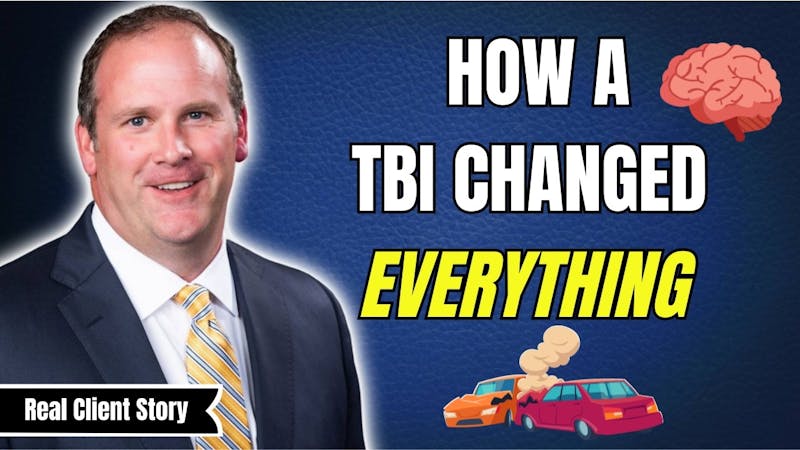
In a recent video, attorney Erik Heninger shares the story of a client whose life was forever changed after a car crash caused a traumatic brain injury that others could not see.
A Mother Driving Home
Erik recalls a client who was simply driving home with her child in the back seat when another vehicle crashed into them.
Thankfully, her child was unharmed.
But she was not.
Before the crash, she was a journalist and a university professor — someone whose career depended on communication, focus, and intellectual work.
After the accident, she began experiencing symptoms consistent with a traumatic brain injury.
Unlike broken bones or visible wounds, her injuries were largely invisible.
Yet they affected every part of her life.
Her ability to work changed.
Her relationships were strained.
Her day-to-day life became more difficult.
Traumatic brain injuries can impact memory, concentration, emotional regulation, and cognitive function — symptoms that may not appear on a traditional medical scan but can be deeply disruptive to a person’s life.
The Challenge of “Invisible” Injuries
One of the most difficult aspects of traumatic brain injury cases is that insurance companies often look for visible proof of injury.
When they cannot easily see it, they may question whether the injury exists at all.
In this case, the insurance company initially refused to recognize the severity of the injury, arguing there was no clear, tangible evidence of harm.
But Erik and his legal team understood the reality of traumatic brain injuries.
They knew that just because an injury isn’t visible doesn’t make it any less real.
Through medical evidence, expert testimony, and extensive work on the case, the team fought to demonstrate the true impact of the brain injury on their client’s life.
Why Brain Injury Awareness Matters
Traumatic brain injuries affect millions of people each year.
They can occur after car crashes, falls, sports injuries, or other accidents, and even mild TBIs can have lasting consequences.
Organizations like the Alabama Head Injury Foundation (AHIF) work to support survivors and their families as they navigate life after a brain injury.
Founded in 1983, AHIF’s mission is to improve the quality of life for survivors of traumatic brain injury and their families by providing resources, support services, and assistance during recovery and long-term adjustment.
The organization works directly with survivors across Alabama to help them access resources, secure medical equipment, and build support systems that allow them to live as independently as possible.
Their work highlights an important reality: the effects of a brain injury often continue long after the initial accident.
Our Commitment to Brain Injury Awareness
During Brain Injury Awareness Month, we are proud to support the work of organizations like the Alabama Head Injury Foundation and help raise awareness about the challenges faced by TBI survivors.
Stories like the one Erik shares are reminders that the impact of a traumatic brain injury goes far beyond the moment of an accident.
For many survivors, the road to recovery involves not only medical care but also recognition, advocacy, and support.
Watch Erik Tell the Full Story
To hear Erik Heninger share more about this case and the challenges of proving traumatic brain injuries in the legal system, watch the full video here:
▶️ https://www.youtube.com/watch?v=PuG8zGirCAE
Think You May Have a Brain Injury Claim?
If you or someone you love suffered a traumatic brain injury after an accident, you may have legal options.
Brain injuries are not always visible, but their effects can be life-changing. From cognitive challenges to emotional and physical symptoms, the impact can affect every aspect of daily life.
Our legal team understands the complexity of traumatic brain injury cases and works closely with medical experts to fully document and demonstrate the true impact of these injuries.
If you believe an accident caused a traumatic brain injury, contact our team to discuss your situation and learn more about your potential legal options.
There is no obligation, and a conversation with our team can help you better understand your rights and the next steps available to you.