

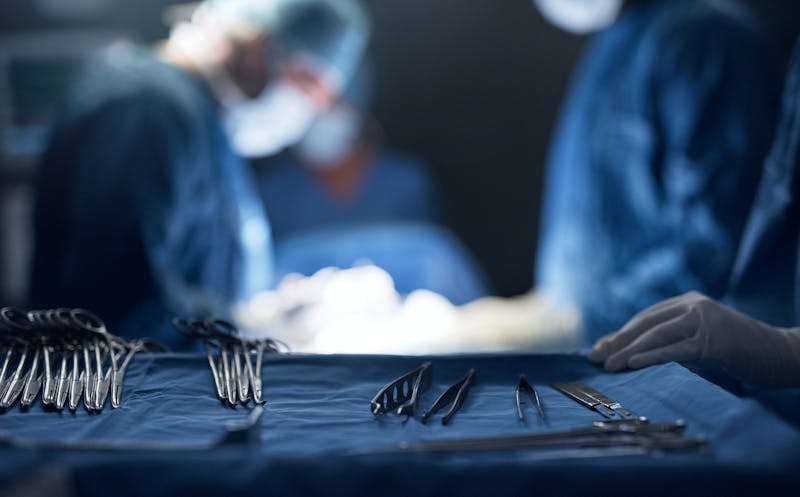
Most families believe the biggest risk of surgery happens in the operating room. If the procedure goes well, they assume the danger has passed, and recovery is underway.
But the truth is, some of the most life-threatening medical mistakes happen after the surgery is complete — during recovery, when patients are heavily medicated, vulnerable, and dependent on medical staff to monitor breathing, oxygen levels, and overall stability.
At Heninger Garrison Davis, we represent families who trusted a medical provider to protect their loved one — and instead were left with grief, unanswered questions, and a loss that never should have happened.
One of those stories is shared in our latest YouTube video, and it highlights a reality too many families experience: a “routine” procedure can still end in tragedy when proper care is ignored.
A Routine Surgery That Became a Preventable Loss
In our client’s case, a wife and mother went into the hospital for a routine back surgery. The procedure itself went smoothly. Everything appeared to be successful, and her family had every reason to believe she was on the road to recovery.
But what happened after surgery tells a different story.
Following the procedure, she was given medication for pain management. While pain medication can be necessary, certain drugs — particularly narcotics — can also suppress breathing. That risk becomes even more dangerous for patients with conditions like sleep apnea, where the airway can collapse during sleep.
She had a known history of sleep apnea.
Instead of taking every precaution to protect her breathing, she was overmedicated, and safety measures meant to support her airway were allegedly removed while she slept. She was left in a position that increased her risk of respiratory failure, and her condition was not treated with the level of urgency and care it required.
Tragically, she passed away.
Her family didn’t lose her because the surgery was complex. They lost her because the medical team failed to properly protect her during recovery, a time when careful monitoring and precaution should be standard.
This Is Not an Isolated Incident
As devastating as this case is, it is not unique.
Families across the country have experienced similar tragedies: a successful surgery followed by a breakdown in post-operative care. In many cases, the harm doesn’t come from the procedure itself, but from what happens afterward — when medication, monitoring, staffing, or respiratory support is mishandled.
A recent high-profile case out of Georgia illustrates just how serious these failures can be.
A Georgia Verdict Highlights the Danger of Post-Op Negligence
Recently, the Georgia Supreme Court allowed an $8.3 million medical malpractice verdict to stand, involving a patient who suffered catastrophic injury after a knee replacement surgery.
According to public reporting, the surgery itself was successful. But afterward, the patient received narcotic pain medication — drugs known to create a higher risk of respiratory complications. Because narcotics can suppress breathing, the patient was placed on a CPAP machine to help maintain proper oxygen levels.
At some point during the night, the CPAP was no longer in place. The patient was later found unresponsive. Emergency efforts saved her life, but she allegedly suffered severe oxygen deprivation that resulted in permanent brain damage and loss of independence.
A jury ultimately concluded that inadequate post-operative monitoring contributed to the harm and held the surgical practice responsible. The verdict included $6.5 million in compensatory damages, along with $1.8 million in attorney fees.
The defense attempted to challenge the outcome through appeal, but the Georgia Supreme Court declined to intervene, leaving the verdict intact. The case stands as a powerful reminder that when medical providers fail to protect patients after surgery, the consequences can be life-changing — and the legal accountability can be significant.
What These Two Cases Have in Common
Although these stories involve different patients and different procedures, they share an important theme:
The surgery wasn’t the problem — the recovery was.
In both cases, the procedure itself was described as routine and successful. The tragedy occurred during post-operative care, when patients were at heightened risk due to medication and breathing-related vulnerabilities.
These cases show that medical negligence often comes down to failures like:
- overmedication or improper medication dosing
- failure to monitor oxygen levels and breathing
- ignoring known risk factors such as sleep apnea
- inadequate staffing or delayed response
- removing respiratory supports or safety positioning
- failure to follow basic post-operative protocols
To families, these may seem like details. But in a medical setting, those details can mean the difference between recovery and irreversible harm.
Medical Malpractice Isn’t Always a Surgical Error
Many people assume medical malpractice cases involve a dramatic mistake during surgery. But in reality, some of the most dangerous medical negligence happens in quieter, more preventable ways.
Post-operative care is one of the most critical stages of treatment. Patients may be groggy, heavily medicated, and unable to advocate for themselves. That’s why medical providers have a responsibility to closely monitor breathing, airway stability, oxygen saturation, and medication effects.
When that responsibility is ignored, families are often left asking the same painful questions:
- How did this happen?
- Why didn’t anyone stop it?
- Was this preventable?
In many cases, the answer is yes.
How Heninger Garrison Davis Supports Families
At Heninger Garrison Davis, we understand that families don’t come to us because they want a lawsuit. They come because they want answers — and because what happened never should have happened.
Medical malpractice cases require more than legal knowledge. They require careful investigation, trusted medical experts, and an ability to build a clear narrative that shows exactly where the standard of care was violated.
Our approach includes:
- obtaining complete hospital records and medication logs
- reviewing nursing notes and monitoring documentation
- consulting medical experts to determine whether proper standards were followed
- uncovering whether staffing or protocol failures played a role
- building strong cases that demand accountability
Most importantly, we work to support families with compassion throughout the process. These cases are emotional, personal, and often overwhelming. We take that seriously.
A Final Thought for Families
If there is one lesson these stories highlight, it is this:
Routine surgery does not guarantee a routine outcome.
Patients deserve proper monitoring, careful medication management, and full attention to known risks like sleep apnea or respiratory suppression. When providers fail to deliver that care, the consequences can be permanent — or fatal.
If you’ve experienced the loss of a loved one following surgery, or if someone in your family suffered a serious injury during recovery, you may have legal options. But more than that, you deserve answers.
If you have questions about a potential medical malpractice case, Heninger Garrison Davis is here to help families seek accountability, justice, and clarity when they need it most.