
Utility Worker Killed Near Bessemer: Alabama Worker Rights A city utility worker went to work on a Monday morning to do a routine job. He did not make it home.
What Happened in Brighton
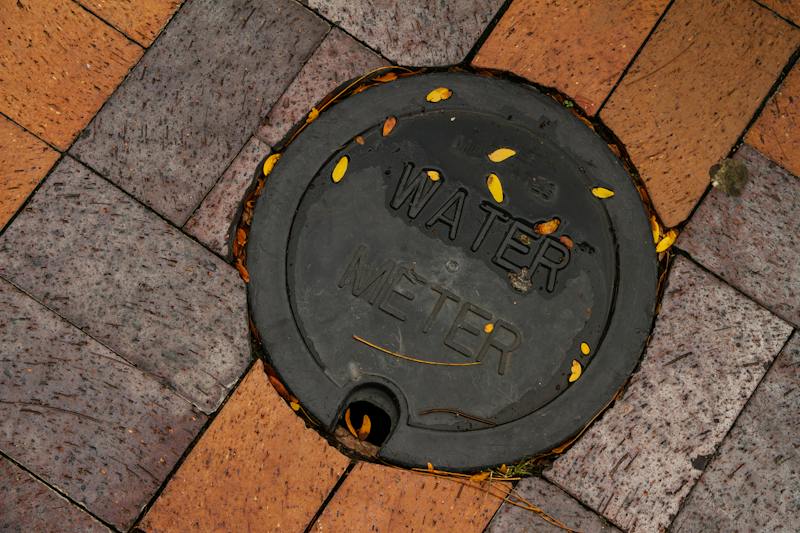
According to WBRC and WVTM 13, a 63 year old Bessemer Water Utility employee was servicing a water meter on Main Street in Brighton, in Jefferson County, around 8:17 a.m. on Monday, October 26, when a vehicle struck him. The driver left the scene. The worker died there.
Jefferson County deputies tracked the vehicle to the area of Belton Avenue and took a 48 year old man into custody. WBRC reports that he was charged with leaving the scene of an accident and was being held in the Jefferson County Jail without bond. The investigation is ongoing. A charge is an accusation, not a conviction.
We are deeply sorry for this loss. Our thoughts are with his family, his coworkers and everyone in Bessemer and Brighton who knew him.
Why This Story Matters to Alabama Workers
Meter readers, utility crews, road crews, delivery drivers, sanitation workers and tow truck operators all do their jobs a few steps from moving traffic. Much of this work happens on neighborhood streets, not inside marked highway work zones. Drivers may not expect to see a person bent over a meter box near the curb.
That makes attention behind the wheel a matter of life and death. A few seconds spent looking at a phone, or driving too fast for a residential street, can leave a family without a parent, spouse or grandparent.
The Legal Issues in Plain Language
Workers Compensation in Alabama
When someone is hurt while doing their job, Alabama workers compensation generally pays for medical care and part of lost wages. In most cases, it does not matter who was at fault. If a worker dies from a job injury, certain dependents may be able to receive death benefits.
Workers compensation is usually the only claim a worker can bring against their own employer. But that is often not the end of the story.
Claims Against the Driver
Every driver in Alabama has a duty to use reasonable care. That means watching the road, keeping a safe speed, yielding to people on foot and slowing down around workers. When a driver breaks that duty and hurts someone, the injured person may have a separate claim against that driver. Lawyers call this a third party claim.
A third party claim can cover losses that workers compensation does not, such as pain and suffering. If there is a recovery, the workers compensation insurer may have a right to be paid back from part of it.
Leaving the scene of a crash that injures someone is also a crime in Alabama. A civil injury claim is separate. It is brought by the injured person or, after a death, through the estate on behalf of the family.
When the Driver Has Little or No Insurance
Hit and run cases often lead to a hard question: what if the driver is never found, or has no insurance? Uninsured and underinsured motorist coverage may help. This coverage can come from your own auto policy, and in some cases from a policy that covers a work vehicle.
Contributory Negligence
Alabama follows a strict rule called contributory negligence. In many negligence cases, if the injured person is found even slightly at fault, they may be barred from recovering anything. Insurance companies know this rule well and may look for ways to shift blame onto the worker. A careful investigation matters.
Wrongful Death Claims
When a person dies because of someone else's wrongful conduct, Alabama law allows a wrongful death claim. Alabama's wrongful death law works differently from the law in most states. It focuses on the conduct of the person or company responsible. The claim is brought by the personal representative of the estate, and deadlines to file can be short.
What to Do If You Are Hurt While Working Near Traffic
If you are hit by a vehicle on the job, or someone you love is, these steps can help protect your health and your rights:
Get medical care right away, even if you feel fine. Some injuries do not show up for hours or days.
Call 911 and make sure a police report is made. In a hit and run, share any detail you remember, such as the color of the car, part of a tag number or the direction it went.
Report the injury to your supervisor as soon as possible, and do it in writing if you can.
Get the names and phone numbers of witnesses.
Ask nearby homes and businesses about doorbell or security cameras. Footage can be erased quickly.
Take photos of the scene, your work vehicle, cones or warning lights and your safety gear.
Keep copies of medical bills, pay stubs and every letter from an insurance company.
Be careful about giving recorded statements or signing forms for an insurance company before you understand your rights.
Talk with a lawyer before you settle any claim. A workers compensation settlement can affect other claims.
Frequently Asked Questions
Can I get workers compensation if a driver hit me while I was working in Alabama?
In most cases, yes. If you were doing your job when the crash happened, Alabama workers compensation generally covers medical care and part of your lost wages, no matter who caused the crash. Report the injury to your employer as soon as you can.
Can I sue the driver if I already receive workers compensation?
Often, yes. Workers compensation usually limits claims against your employer, but it does not protect a careless driver. You may be able to bring a separate third party claim against the driver for losses like pain and suffering.
What if the hit and run driver is never found or has no insurance?
You may still have options. Uninsured motorist coverage on your own auto policy, and sometimes on a work vehicle policy, may pay for injuries caused by a driver who cannot be found or has no insurance. Read your policy and report the crash promptly.
Talk With Someone Who Can Help
If you or someone you love was hurt in a similar situation, the team at Heninger Garrison Davis can help you understand your options. Call for a free consultation. Heninger Garrison Davis, LLC is based in Birmingham, Alabama.
This article is for general information only and is not legal advice. Reading it does not create an attorney client relationship.