

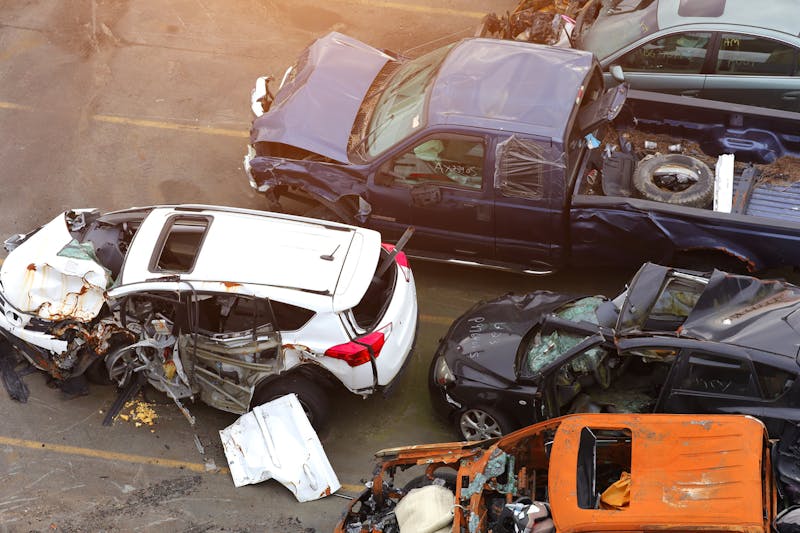
When more than one driver contributes to a car accident, determining who is legally responsible can make or break your ability to recover compensation. In many cases, multiple drivers share fault, meaning liability is divided based on each party’s role in causing the accident.
Heninger Garrison Davis has recovered over $3 billion for clients nationwide by uncovering exactly how accidents happen—even when multiple drivers, insurance companies, and conflicting stories are involved. These cases require more than basic investigation. They demand detailed evidence, strategic legal analysis, and the ability to clearly and convincingly prove fault.
In this guide, we’ll explain how shared fault works, how it affects your ability to recover damages, and what you need to know if more than one driver may be responsible for your accident.
What Does It Mean to Share Fault in an Accident?
Shared fault—also known as comparative or contributory negligence—means that more than one person’s actions contributed to causing the crash.
For example:
- One driver may have been speeding
- Another may have failed to yield
- A third may have been distracted
In comparative fault situations, liability is divided based on each party’s level of responsibility.
The National Highway Traffic Safety Administration (NHTSA) recognizes that crashes often result from a combination of driver behaviors, including speeding, distraction, and impairment.
How Fault Is Determined After a Crash
Determining fault in a multi-driver accident requires a detailed investigation. It’s not based on guesswork—it’s based on evidence. This can include:
- Police reports
- Witness statements
- Vehicle damage analysis
- Traffic camera or surveillance footage
- Data from vehicle systems (like EDRs or ELDs in truck cases)
Insurance companies and legal teams analyze this evidence to assign fault percentages to each driver involved.
Contributory vs. Comparative Negligence
Contributory Negligence (Strict Rule)
Some states, including Alabama, follow pure contributory negligence rules.
Under this system, if you are even 1% at fault, you may be barred from recovering compensation entirely. This rule is recognized in Alabama law and makes proving fault critically important.
Comparative Negligence (Most States)
Many other states use comparative negligence systems.
Under these systems:
- Your compensation is reduced by your percentage of fault
- You can still recover damages even if you share responsibility (depending on the state)
For example, if you are 20% at fault, your compensation is reduced by 20%.
How Multiple Drivers Affect Your Claim
When several drivers are involved, your case may include:
- Multiple insurance companies
- Conflicting accounts of what happened
- Disputes over percentages of fault
Each party may try to shift blame to reduce their financial responsibility. That means the stronger your evidence, the stronger your position.
The Biggest Risk: Being Blamed for the Accident
Insurance companies often try to assign you partial fault—even when you did nothing wrong. To reiterate, in contributory negligence states, even small blame can eliminate your claim; in comparative states, it reduces how much they have to pay.
This means that without strong legal representation, you may:
- Accept less than your case is worth
- Be wrongly blamed
- Lose your right to compensation entirely
What to Do If You’re Involved in a Multi-Driver Accident
If multiple vehicles were involved in your accident:
- Seek medical attention immediately
- Document the scene if possible (photos, videos, witness info)
- Avoid making statements about fault
- Do not accept an insurance settlement without legal advice
Most importantly, act quickly. Evidence becomes harder to secure over time, and delays can weaken your claim.
Fault Isn’t Always Simple, But It Can Be Proven
When liability is disputed, the outcome of your case comes down to who can prove the facts with clarity and authority.
At Heninger Garrison Davis, our team brings decades of combined litigation experience, national trial leadership, and recognition from organizations like Best Lawyers and Super Lawyers. From the start, we build cases designed to stand up under pressure from insurance companies and in courtrooms across the country.
If you’ve been injured and fault is being questioned, now is the time to act. The sooner we step in, the sooner we can preserve evidence, protect your position, and start building a case that puts you in control—not the insurance companies. Schedule your free consultation today.