

Disclaimer: This article is for informational purposes only and is not legal advice. Personal injury law in Alabama is highly nuanced, and every case must be evaluated individually based on its specific facts. Past results do not guarantee future outcomes.
A traumatic brain injury (TBI) case is typically proven by combining medical evidence, expert testimony, and evidence showing how the injury has changed a person's daily life. For a traumatic brain injury lawyer in Birmingham, that last category is often where the full impact of the injury becomes clear.
Erik S. Heninger of Heninger Garrison Davis has focused much of his 25-year career on catastrophic injuries, including severe brain and spine damage. He holds an AV Preeminent rating from Martindale-Hubbell and has been named Lawyer of the Year by Best Lawyers five times: in 2021, 2023, 2024, and 2025 for Medical Malpractice Law – Plaintiffs, and in 2026 for Product Liability Litigation – Plaintiffs.
On a recent episode of the Game of Claims podcast, "The Lightbulb Moment," Erik walked through an early-career TBI case that changed how he approaches his work. This article uses that case to explain the types of evidence that can help show the severity and long-term effects of a brain injury.
What Is a Traumatic Brain Injury?
A traumatic brain injury is a brain injury caused by an outside force, such as a forceful bump, blow, or jolt to the head or body. According to the National Institute of Neurological Disorders and Stroke (NINDS), more serious TBIs can lead to severe and permanent disability.
NINDS identifies a wide range of possible symptoms. Some of the most common include:
- Headaches, dizziness, and fatigue
- Problems remembering, concentrating, or making decisions
- Changes in sleep patterns
- Frustration or irritability
- Mood changes or swings, agitation, or other unusual behavior
- Feeling anxious or depressed
The emotional and behavioral symptoms on that list are often the hardest to capture in a medical chart. NINDS notes that emotional symptoms such as frustration and irritability tend to develop during recovery, which means they may not appear in the earliest records.
Why a Traumatic Brain Injury Can Be Difficult to Prove
A traumatic brain injury can be difficult to prove because much of its impact is invisible on scans and in routine medical visits. NINDS explains that currently available imaging, blood tests, and other measures can't always detect damage from mild, concussive injuries.
Even severe injuries can be underestimated on paper. Physical recovery may look strong, while changes in personality, judgment, and emotional control continue to affect the person at home and at work.
Erik saw this firsthand. His client, a delivery company worker run over by a box truck, had already received significant medical treatment by the time Erik took the case. Yet the client continued to struggle with anger, paranoia, and strained relationships with his family, and his brain injury required ongoing care that he was not fully receiving.
Medical Evidence in a Traumatic Brain Injury Case
Medical evidence is usually the foundation of a TBI claim because it connects the injury to the accident and documents its severity. NINDS describes several tools providers use to evaluate brain injuries, and the records they produce can become key evidence:
- Neurological exams that assess motor and sensory skills, coordination, mental status, and changes in mood or behavior
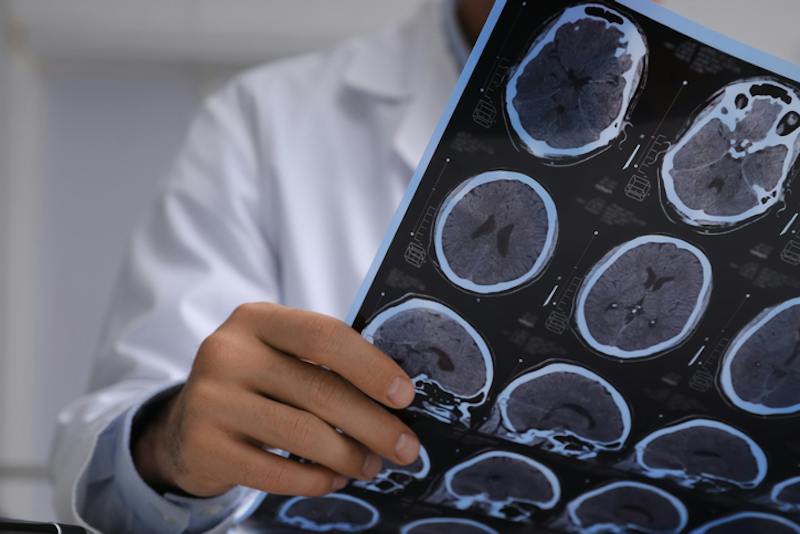
- Imaging such as CT and MRI, with MRI able to pick up more subtle changes a CT scan may miss
- Neuropsychological testing that measures memory, concentration, information processing, and problem-solving
- Rehabilitation records from neurologists, psychologists, and physical, occupational, vocational, and speech therapists
Consistent treatment matters as well. Gaps in care can give a defendant room to argue that symptoms came from something other than the accident.
How Family and Witness Testimony Can Show the Impact of a TBI
Family members, coworkers, and friends can describe changes in a person that no test fully measures. Under Rule 701 of the Alabama Rules of Evidence, witnesses who are not experts may still offer opinions in certain circumstances, such as opinions based on what they personally observed.
Alabama courts have recognized the value of this kind of testimony. In Campbell v. Kennedy (2018), the Supreme Court of Alabama upheld a $3 million verdict in a construction zone crash case. The injured man's mother explained how his life had changed, and his manager at work described his physical limitations on the job. The trial court called the manager's unchallenged testimony as strong on damages as any in the case.
In Erik's TBI case, the client's anger, paranoia, and changing relationships with his family were central to understanding the injury.
"I knew he was suffering after brain surgery; he was often angry, paranoid, couldn't get along with his wife, couldn't sleep, and suffered from constant headaches, making day-to-day life a misery."
How Changes in Daily Life Can Help Demonstrate a Brain Injury's Severity
Changes in daily life often reveal the true severity of a brain injury more clearly than any single record. For Erik, the turning point came when he visited his client's home and watched how the family interacted.
Seeing the client in that setting gave Erik a far deeper understanding of how the injury was affecting the people closest to him. That understanding shaped how he presented the case.
"To ensure he received fair compensation, we needed to clearly demonstrate the impact of the accident. At that point, I decided to do something I had never done in a case before, but now I often do with significant injury cases: I went to his house. I sat down with his family for dinner and observed the daily turmoil they were experiencing."
Before-and-after evidence can help a jury see the same picture. Examples include:
- Work history showing changes in duties, hours, or performance
- Hobbies, routines, or responsibilities the person can no longer manage
- Journals or calendars tracking symptoms and difficult days
- Photos and videos from before the injury
- Observations from people who see the person regularly
The Role of Expert Testimony and Depositions in a TBI Case
Expert witnesses help explain what a brain injury is, how it happened, and what it will mean going forward. Rule 702 of the Alabama Rules of Evidence allows a qualified expert to testify when specialized knowledge will help the jury understand the evidence. Testimony based on a scientific theory must also meet reliability requirements.
Depending on the case, experts may include neurologists, neuropsychologists, treating physicians, life care planners, and economists. In Campbell v. Kennedy, the jury heard video depositions from both physicians who treated the injured man.
Depositions also matter for liability. In Erik's case, sworn testimony from witnesses and a corporate representative helped his team build the arguments they used at trial. Proving how badly someone was hurt and proving who is responsible are separate tasks, and a strong TBI case usually needs both.
Documenting Long-Term Care Needs After a Traumatic Brain Injury
Long-term care needs are often among the largest components of a TBI claim, so they need to be documented carefully. NINDS notes that rehabilitation after a severe TBI may be needed on a short- or long-term basis and can address cognitive, physical, occupational, and emotional difficulties.
Evidence of future needs may include:
- A life care plan prepared by a qualified professional
- Physician opinions on future treatment, therapy, and medication
- Evidence of in-home care, supervision, or support from family members
- Analysis of lost earning capacity if the person can no longer work as before
Erik's client needed ongoing care that he was not fully receiving at the time the case began. After a four-day trial in a rural Alabama county, the parties settled during jury deliberations. That resolution provided resources for the client's medical needs and future. Every case is different, and results depend on the specific facts and evidence involved.
Empathy Cannot Be Overstated in Traumatic Brain Injury Cases
Proving a brain injury requires more than medical records. It requires understanding what the person and their family are living with every day. Erik says this case taught him the importance of spending time with clients in their own environment.
"Spend the time to understand what the client is going through because it could be hell. Step into their shoes whenever possible. Be intentional about finding the empathy and identifying with your client on a human level."
That perspective runs throughout Heninger Garrison Davis. The firm supports the Alabama Head Injury Foundation through sponsorship and participation in its awareness and fundraising efforts. Erik also frequently speaks and teaches trial advocacy to other lawyers through the American Association for Justice.
If you or a family member is living with the effects of a brain injury, a traumatic brain injury lawyer in Birmingham at HGD can help you understand what evidence may matter in your situation. Contact Heninger Garrison Davis for a free consultation, and listen to Erik's full conversation on Game of Claims.