What Happened at ACIPCO on October 21
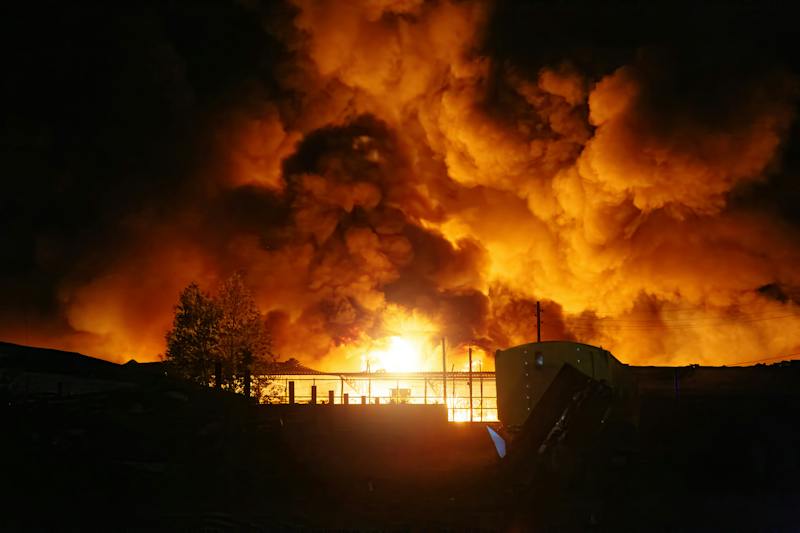
Birmingham Fire and Rescue crews were called to the American Cast Iron Pipe Company, known as ACIPCO, on the morning of Wednesday, October 21, 2026. The call came in around 8:35 a.m. with reports of people trapped on a rooftop at the plant on 32nd Avenue North, according to WVTM 13.
The workers made it off the roof before firefighters arrived. According to WBRC, employees said a crew had been welding on the roof and reported a gas leak and an explosion. The cause has not been confirmed. ACIPCO told WBRC that the fire was put out, the cause is still under investigation and the company is cooperating with local and federal agencies.
Two people were taken to UAB Hospital, and a third person was treated at the scene, ABC 33/40 reported. WBRC reported that the injured workers were contract employees and that ACIPCO later said three contractors were hurt. Their conditions have not been released.
A Third Fire Call in About Two Months
This was not the first time firefighters were called to the plant this fall. ABC 33/40 reported that crews responded to a fire involving a paint machine in August and to thick black smoke coming from a building in September. No one was reported hurt in those earlier incidents. ACIPCO told WBRC those fires were separate and unrelated.
Birmingham Fire and Rescue Lt. Catina Williams told reporters that firefighters do not often respond to the plant and called the recent string of calls "abnormal." OSHA told ABC 33/40 it is reviewing information about the incidents and has open investigations. The agency has six months to finish an investigation and does not share details while it is open.
Why This Matters for Alabama Workers
Birmingham was built on pipe, steel and heavy industry. Thousands of people in our area still work in plants, foundries and on construction and maintenance crews. Welding and cutting on a roof or near gas lines is some of the riskiest work there is. When a spark meets a flammable gas, things can go wrong in seconds.
We are thankful no one lost their life on October 21, and we hope the injured workers make a full recovery. Still, three fire calls in about two months at one site is a reason for every worker and every employer in our city to take a hard look at fire safety.
The Legal Issues in Plain Language
What Is Hot Work and What Does OSHA Expect?
Hot work means welding, cutting, brazing or any job that makes sparks or open flame. OSHA has fire prevention rules for this kind of work. In general, employers are expected to check the area for fire hazards, move or cover anything that can burn, make sure there is no flammable gas in the air, post a fire watch when needed and train workers on what to do in an emergency. Many companies also require a written hot work permit before a job begins.
We do not yet know whether anything was missed at ACIPCO. That is what investigators are working to learn.
Workers Compensation and Its Limits
In Alabama, most workers hurt on the job are covered by workers compensation. It can help pay for medical care and part of lost wages, no matter who was at fault. In most cases, workers compensation is the only claim an employee can bring against their own employer.
Contract Workers and Third Party Claims
Contract workers are often in a different spot than they realize. A contractor's employee usually files for workers compensation through the company that hired them, not the plant where they were working. But the law may also allow a separate claim against a third party whose carelessness helped cause the injury. That could be a property owner who did not warn about a gas hazard, a general contractor who ran an unsafe job site or the maker of faulty equipment.
Those claims are based on negligence. In plain terms, negligence means someone did not use reasonable care, and that failure caused harm. Unlike workers compensation, a third party claim may also cover things like pain and suffering. Every case depends on its own facts.
What to Do If You Are Hurt in a Workplace Fire or Explosion
-
Get medical care right away, even if burns or breathing problems seem minor. Smoke and gas exposure can cause problems that show up later.
-
Report the injury to your supervisor in writing as soon as you can.
-
Write down what you remember: who was there, what work was going on and any smells, alarms or warnings.
-
Take photos of your injuries and, if it is safe, the area where it happened.
-
Keep copies of medical records, pay stubs and any papers from your employer or an insurance company.
-
Be careful about giving recorded statements to insurance adjusters before you understand your rights.
-
Know that you can file a safety complaint with OSHA, and federal law protects workers from retaliation for raising safety concerns.
-
Talk with a lawyer early. Deadlines to file can be short.
Frequently Asked Questions
Can I sue my employer for a workplace injury in Alabama?
In most cases, no. Workers compensation is usually the only remedy against your own employer in Alabama. But you may have a separate claim against a third party, such as a property owner, another contractor or an equipment maker, if their negligence helped cause your injury.
What should a contract worker do after getting hurt at another company's plant?
Get medical care, report the injury to your own employer in writing and keep records of everything. A contract worker may have a workers compensation claim through their employer and a possible claim against the site owner or another company. A lawyer can help sort out which applies.
What is a hot work permit?
A hot work permit is a written checklist many employers use before welding, cutting or other work that makes sparks or flame. It confirms that fire hazards were removed or covered, the air was checked for flammable gas and a fire watch is ready.
Talk With Our Team
Heninger Garrison Davis is a personal injury law firm based in Birmingham, Alabama. If you or someone you love was hurt in a similar situation, the team at Heninger Garrison Davis can help you understand your options. Call for a free consultation.
This article is for general information only and is not legal advice. Reading it does not create an attorney client relationship.