What the Investigation Found
A recent investigation by The Dallas Morning News looked at "never events" in Texas hospitals. Never events are surgical mistakes so serious that they should never happen. The investigation found at least 200 reported never events at Texas hospitals each year, and the reporter said the true number is likely higher.
KERA News, the public radio station in North Texas, shared the findings in an interview with Dallas Morning News health reporter Emily Brindley on October 21, 2026. Texas Public Radio published the story the next day.
The never events in the reporting included:
-
Doing the wrong procedure
-
Operating on the wrong patient
-
Operating on the wrong part of the body
-
Leaving an object inside a patient after surgery
State data showed some of these events led to death. The reporter also described a woman who was sterilized by mistake.
A Needle Left Behind for About Three Years
One patient in the story had a C-section in 2022. For years afterward, she had pain that came and went. In 2025, she went to the emergency room with pain that felt like appendicitis. Doctors found a metal object about three centimeters long in her abdomen. It was a suture needle, still in its hard plastic packaging, and it had been inside her since her surgery. Surgeons removed it.
The reporting noted that Texas performs tens of thousands of surgeries each year, so these errors are rare compared to the total. But for each person they happen to, the harm can be life changing. According to KERA, Texas law leaves many survivors with little financial recourse.
Why This Matters in Alabama
This investigation was about Texas, but the same kinds of errors can happen in any operating room, including here at home. Families in Birmingham, Huntsville, Montgomery, Mobile and Tuscaloosa trust surgical teams with their lives every day. Most of the time, that trust is well placed. When it is broken by a preventable mistake, patients deserve answers.
Patient safety advocates and medical providers told the reporter that two things help prevent never events. The first is a system of checks and balances so patients do not fall through the cracks. The second is a culture where staff feel free to speak up when something goes wrong.
The Legal Issues in Plain Language
What Is Medical Malpractice?
Medical malpractice happens when a doctor, nurse, hospital or other health care provider fails to meet the standard of care, and that failure harms a patient. The standard of care means what a reasonably careful provider in the same field would do in a similar situation.
Why Never Events Are Different
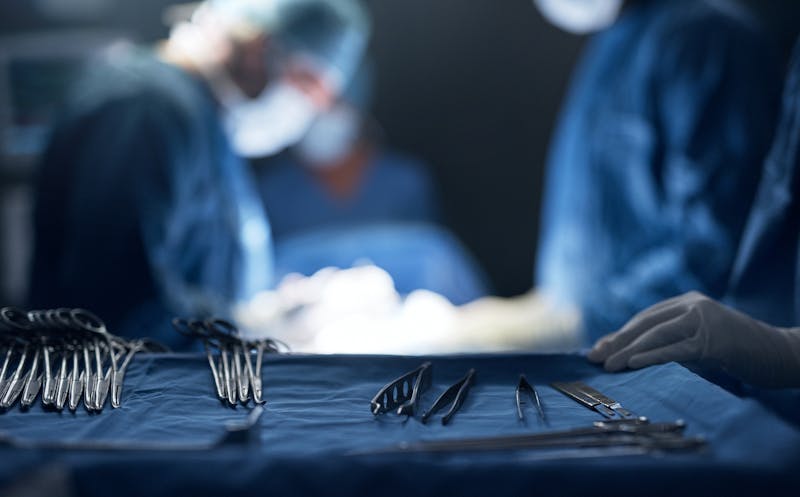
Many malpractice cases involve hard questions about medical judgment. Never events are different. Hospitals use safety steps like marking the surgical site, pausing for a "time out" to confirm the patient and the procedure before the first cut, and counting sponges, needles and instruments before closing. When an object is left behind or the wrong body part is operated on, it often points to a breakdown in those safety steps.
How Alabama Handles These Claims
Alabama has its own law for medical malpractice claims, called the Alabama Medical Liability Act. It sets special rules for how these cases are brought and proven, and those rules are different from a typical injury case. Usually, a patient needs testimony from a qualified medical professional to show what the standard of care was and how it was not met.
Deadlines to file can be short. Time limits can also work differently when an injury is not found right away, such as an object that stays hidden for years. That is one more reason to get advice early.
What to Do If You Think Something Went Wrong During Surgery
-
Get medical care first. If you have new or unexplained pain after surgery, tell a doctor and ask whether imaging makes sense.
-
Ask for a copy of your medical records, including the operative report. Federal law gives you the right to see and get copies of your records.
-
Keep a journal of symptoms, appointments and conversations with providers.
-
If an object is removed from your body, ask in writing that the hospital keep it and document it.
-
Keep bills, receipts and records of missed work.
-
Be careful about signing anything from a hospital or insurance company before you understand it.
-
Talk with a lawyer who handles medical malpractice claims. Deadlines to file can be short.
Frequently Asked Questions
What is a never event in surgery?
A never event is a serious, preventable surgical error that should never happen. Examples include surgery on the wrong patient, surgery on the wrong body part, doing the wrong procedure and leaving a sponge, needle or tool inside a patient.
Can I sue if a surgical tool was left inside my body in Alabama?
You may have a medical malpractice claim. Alabama malpractice cases follow special rules under the Alabama Medical Liability Act, and deadlines to file can be short. A lawyer can review your records and explain your options.
How do I find out if a surgical error happened to me?
Ask for your complete medical records, including the operative report and any imaging. New or lasting pain, infections or other problems after surgery should be checked by a doctor. A lawyer can also help you get and review your records.
Talk With Our Team
Heninger Garrison Davis is a personal injury law firm based in Birmingham, Alabama. If you or someone you love was hurt in a similar situation, the team at Heninger Garrison Davis can help you understand your options. Call for a free consultation.
This article is for general information only and is not legal advice. Reading it does not create an attorney client relationship.