

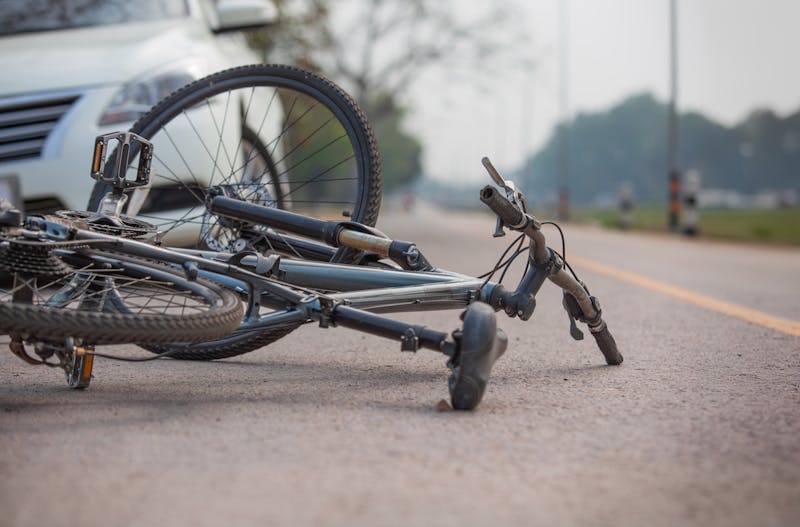
A cross-country bicycle journey ended in tragedy on July 27, 2026, when 30-year-old Samuel Ryár of Slovakia was struck from behind and killed while riding on U.S. Highway 280 in Lee County, Alabama. According to news reports citing Alabama State Troopers, Ryár was riding east of Opelika early Monday morning when a van struck his bicycle. He was thrown from the bike and died at the scene.
Ryár was reportedly traveling across the United States by bicycle, riding from San Diego, California, toward Savannah, Georgia.
This loss is first and foremost a human tragedy. A visitor came to this country for an ambitious journey, and his family is now facing grief from thousands of miles away.
The crash also raises broader questions about cyclist safety, commercial driving practices, employer responsibility, and what surviving family members may be able to do after a fatal bicycle collision in Alabama.
What Is Known About the Lee County Bicycle Crash?
The collision occurred at approximately 4:00 a.m. in the eastbound lanes of U.S. Highway 280 near Salem, between Lee Road 183 and Lee Road 184. Reports identify the driver and describe the vehicle as a van. The Alabama Law Enforcement Agency is investigating the crash.
At this stage, publicly available reports do not establish whether the van was owned by a business, whether the driver was working at the time, or what factors caused the collision. Those questions matter because the answers may affect which individuals, businesses, and insurance policies could be legally responsible.
A complete investigation may examine:
- The driver’s speed and attention
- Lighting and visibility conditions
- Vehicle data and onboard technology
- Cellphone records
- Dash-camera or nearby surveillance footage
- The cyclist’s lighting and reflective equipment
- The driver’s work schedule and fatigue level
- Vehicle ownership and insurance coverage
- Whether the driver was performing a work-related task
No conclusion about fault should be made until the available evidence has been preserved and reviewed.
Drivers Have a Duty to Watch for Cyclists
Cyclists are lawful road users, and drivers must remain alert for them. Alabama law generally requires a person riding a bicycle on a roadway to ride as near to the right side as practicable, while exercising due care around vehicles and roadway hazards.
That requirement does not remove a motorist’s responsibility to keep a proper lookout, maintain control of the vehicle, travel at a safe speed, and respond appropriately to visible traffic conditions.
Cyclists are especially vulnerable during early-morning and nighttime hours. A driver approaching a bicycle from behind must recognize that even a brief distraction, an unsafe speed, or a failure to leave adequate space can have irreversible consequences.
When Can a Business Be Liable for a Bicycle Crash?
When a driver causes a collision while performing job duties, the employer may potentially be held responsible under a legal principle known as respondeat superior, or vicarious liability.
In Alabama, employer liability generally depends on whether the business had the right to control the worker and whether the worker was acting within the line and scope of employment when the incident occurred. These are fact-specific questions.
Examples of work-related driving may include:
- Traveling to a customer’s property
- Making deliveries
- Transporting tools or equipment
- Driving between job sites
- Performing maintenance or service calls
- Running an errand for the employer
- Operating a company vehicle during assigned work
The fact that a crash involves a van with a company logo does not automatically establish employer liability. Likewise, a vehicle without visible branding may still be owned, leased, or insured by a business.
The investigation must determine what the driver was doing, who owned the vehicle, who controlled the work, and whether the trip benefited the employer.
A Business May Also Be Directly Negligent
An employer’s potential responsibility may extend beyond the employee’s driving. Depending on the evidence, a business may face claims based on its own conduct.
These claims can include:
Negligent Hiring
A company may have failed to conduct an appropriate background or driving record review before allowing an employee to operate a vehicle.
Negligent Training
The business may not have adequately trained drivers to recognize cyclists, operate safely at night, avoid distracted driving, or maintain safe following distances.
Negligent Supervision
An employer may have ignored prior crashes, traffic violations, safety complaints, or risky driving behavior.
Negligent Entrustment
A company may have allowed an unqualified, impaired, inexperienced, or unsafe driver to use a vehicle.
Negligent Vehicle Maintenance
Poorly maintained headlights, brakes, tires, mirrors, cameras, or other safety systems may contribute to a collision.
Alabama cases may permit claims based on negligent entrustment, hiring, training, or supervision when the supporting evidence exists.
How Businesses Can Help Prevent Bicycle Accidents
Any organization that places drivers on Alabama roads should treat cyclist safety as part of its overall fleet-safety responsibility.
Train Drivers to Look Beyond Cars
Commercial driving instruction should specifically address cyclists, pedestrians, motorcycles, and other vulnerable road users. Drivers should be trained to scan shoulders, intersections, turn lanes, and low-light areas.
Prohibit Distracted Driving
A written policy should prohibit texting, handheld cellphone use, programming navigation systems while moving, and other distractions. The policy must be enforced consistently.
Manage Driver Fatigue
Businesses should avoid schedules that encourage employees to drive while exhausted. Early departures, long shifts, overnight work, and rushed delivery expectations can all affect reaction time and judgment.
Require Safe Passing Practices
Drivers should reduce speed, wait for a safe opportunity to pass, and leave substantial clearance when overtaking a cyclist. A driver should never squeeze between a bicycle and oncoming traffic.
Maintain Headlights and Safety Equipment
Fleet inspections should include headlights, brake lights, mirrors, windshield condition, brakes, tires, cameras, and collision-warning systems.
Use Telematics Responsibly
Fleet monitoring can help identify speeding, hard braking, sudden lane movement, cellphone use, and other dangerous conduct before it leads to a fatal crash.
Create a Culture That Rewards Safety
Employees should never feel pressured to speed or take risks to meet unrealistic schedules. Businesses must make clear that arriving safely matters more than arriving a few minutes earlier.
Research reviewed by the National Highway Traffic Safety Administration has also found that safer communities often combine education and enforcement with meaningful investments in bicycle and pedestrian infrastructure.
What Can Be Done for the Cyclist’s Family Now?
After a fatal crash, a family needs both compassion and practical assistance.
When the person who died lived outside the United States, the process may become even more complicated. The family may need help communicating with law enforcement, arranging transportation of remains, obtaining official records, working with a consulate, opening an estate, and navigating an unfamiliar legal system.
Important early steps may include:
Preserving Evidence
Vehicles may be repaired, sold, or returned to service. Electronic information may be overwritten. Video footage may be deleted. A prompt preservation request can help protect evidence such as:
- Vehicle event data
- Dash-camera recordings
- GPS and telematics records
- Driver logs
- Dispatch records
- Work schedules
- Cellphone records
- Maintenance files
- Employment and training documents
- Insurance information
Identifying Every Available Insurance Policy
A fatal collision involving a work vehicle may implicate several forms of coverage, including the driver’s policy, a commercial automobile policy, an umbrella policy, or other business coverage.
Determining Whether a Business Relationship Existed
An investigation should establish whether the driver was an employee, independent contractor, vehicle owner, temporary worker, or agent of another company.
Opening an Alabama Estate
Under Alabama’s wrongful-death statute, the personal representative of the deceased generally brings the wrongful-death action. The statute permits an action based on the wrongful act, omission, or negligence of a person or corporation.
For a family living abroad, appointing a personal representative and coordinating the estate process may require careful legal planning.
Seeking Accountability Through a Wrongful-Death Claim
Alabama's wrongful-death law is unusual. Its primary focus is punishment and deterrence rather than compensating the family in the same manner as many other states.
Because Alabama law differs significantly from the law in other jurisdictions, families should obtain advice from an attorney familiar with Alabama wrongful-death and commercial-vehicle cases.
Cyclist Safety Is a Shared Responsibility
Cyclists can improve visibility by using proper lights, reflective clothing, helmets, and predictable riding practices. But safety cannot be placed entirely on the person with the least physical protection.
Drivers must pay attention. Businesses must train and supervise their drivers. Fleet owners must maintain safe vehicles. Communities must design roads that recognize the presence of people traveling outside motor vehicles.
Samuel Ryár’s death is a painful reminder that a single roadway decision can permanently change a family’s life.
The most respectful response is not speculation. It is a careful investigation, meaningful support for the family, and a renewed commitment to preventing another tragedy.
Speak With an Alabama Bicycle Accident and Wrongful-Death Attorney
When a cyclist is killed by a commercial or work-related vehicle, the surviving family may be facing a driver, a business, multiple insurers, and evidence that is difficult to obtain without legal assistance.
HGD Law Firm helps families investigate serious vehicle collisions, identify responsible parties, preserve important evidence, and understand their rights under Alabama law. Our 16 attorneys and 30-person support team are committed to providing attentive, white-glove service through every stage of the process.
Contact HGD Law Firm to discuss an Alabama bicycle accident or wrongful-death case.
This article is provided for general informational purposes and is not legal advice. The facts of every case are different. No attorney-client relationship is formed by reading this article.