When a patient hears the word cancer, everything that follows depends on one thing being right: the diagnosis. The treatment plan, the surgery, the chemotherapy, and the time a patient has to fight all rest on what a pathologist sees under a microscope. When that answer is wrong, everything built on it is wrong too.
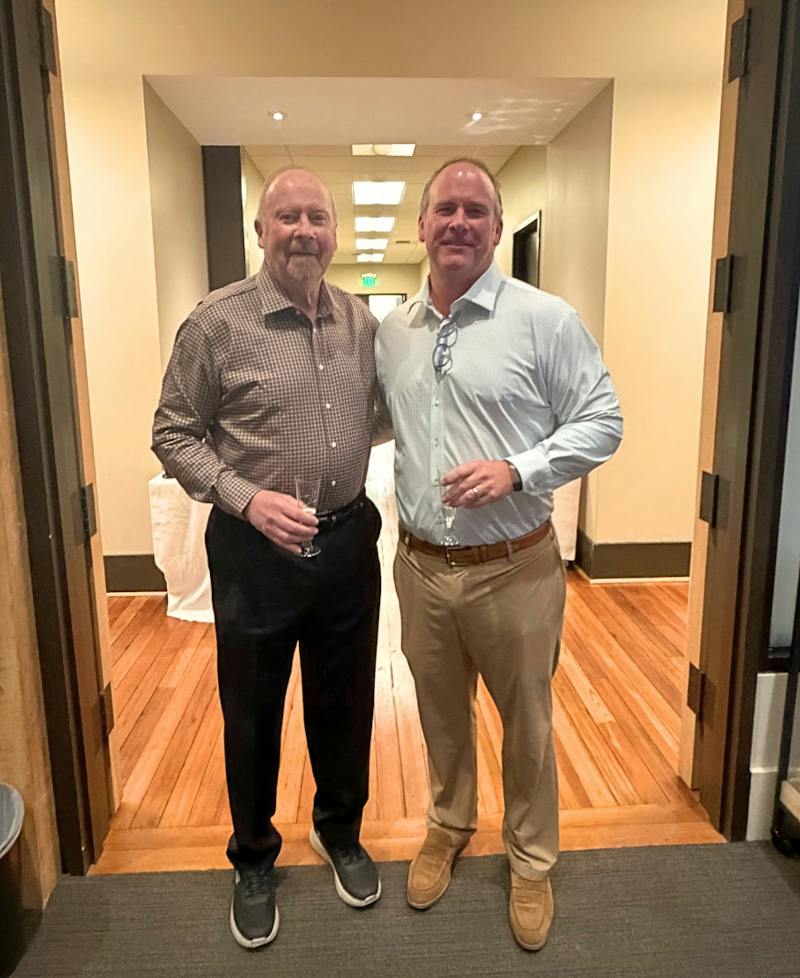
Late on November 23, 2026, a jury in the Circuit Court of Jefferson County, Alabama, returned a verdict of $7,775,000 in favor of the family of Anita Martin and against Pathology Associates of Alabama, P.C., and Brian Ragland, M.D. The case was tried by Heninger Garrison Davis founding partner Steve Heninger and his son, partner Erik Heninger.
What happened in Anita Martin’s case?
In early 2023, Anita’s physicians found a concerning area on her pancreas and ordered a biopsy to determine what type of cancer she had. The pathologist diagnosed the wrong type of cancer. That diagnosis went to Anita’s oncologist, who began treatment based on it.
A few months later, Anita underwent a Whipple procedure, a major surgery to remove the tumor. The tissue removed during surgery was examined, and it was again diagnosed as the same incorrect type of cancer. Her oncologist continued a treatment regimen built around that diagnosis.
For 15 months, Anita’s results did not line up with what her doctors expected for the cancer she had been told she had. Her oncologist pressed for the tissue to be looked at again. When another pathologist in the same group re-examined the original biopsy and surgical tissue, the answer was clear: Anita had an entirely different type of cancer.
According to her treating oncologist, the 15-month delay deprived Anita of the correct treatment, exposed her to chemotherapy she did not need, and put her through extensive side effects that should never have happened. She suffered significant injuries and disfigurement. The delay in proper diagnosis and treatment allowed the cancer to go unchecked which then spread to her liver, lungs, hips and spine and Anita lost her life. Anita filed her lawsuit while she was still living. After her death, the complaint was amended to add a wrongful death claim on behalf of her estate.
What did the jury award?
The jury found in favor of the Martin family and assessed damages as follows:
-
$4,000,000 in wrongful death damages to the Estate of Anita Martin
-
$3,500,000 in compensatory damages for the injuries Anita suffered
-
$275,000 in compensatory damages to Andrew Martin for loss of consortium
Total verdict: $7,775,000.
The case is Andrew A. Martin, as Personal Representative of the Estate of Anita G. Martin, deceased, v. Pathology Associates of Alabama, et al., Civil Action No. CV 24-904123, Circuit Court of Jefferson County, Alabama.
Why are wrongful death damages in Alabama called punitive?
Alabama handles wrongful death differently from nearly every other state. Under Ala. Code § 6-5-410, the only damages available in a wrongful death case are punitive. The jury does not put a price on the value of a person’s life. Instead, it decides what amount is appropriate given how serious the wrongful conduct was and the need to discourage similar conduct in the future.
That is why the verdict form lists separate categories. Because Anita’s lawsuit was already on file before she died, her own claim for what she went through during those 15 months stayed in the case alongside the wrongful death claim. Her husband’s loss of consortium claim, which recognizes the loss of companionship and support in a marriage, was decided separately as well.
How can a pathology error lead to the wrong cancer treatment?
Most patients never meet their pathologist. Yet the pathology report is often the single most important document in a cancer case. Different types of cancer, even cancers found in the same organ, can call for very different chemotherapy drugs, surgical approaches, and timelines. An oncologist relies on the pathology report to choose among them.
When the tissue is misread, the error does not stay in the lab. It travels into every treatment decision that follows. In Anita’s case, the same tissue that was misread twice told the correct story once someone took a second look.
Patients and families can ask reasonable questions when something does not seem right:
-
Is the cancer responding to treatment the way you would expect for this diagnosis?
-
Would a second pathology review, or a review at another institution, be appropriate here?
-
Was the surgical tissue reviewed separately from the original biopsy?
-
Are there additional tests that could confirm the cancer type?
Asking these questions is not second-guessing your doctors. Good physicians welcome them, as Anita’s oncologist showed by pushing for the re-analysis that finally revealed the truth.
What does a medical malpractice claim in Alabama require?
Medical malpractice claims in Alabama are governed by the Alabama Medical Liability Act, Ala. Code § 6-5-480 et seq. and § 6-5-540 et seq. In plain terms, a family generally has to show:
-
The health care provider failed to meet the standard of care, meaning the level of care a reasonably careful provider in the same field would have given in similar circumstances
-
That failure probably caused the patient’s injury or death
-
The standard of care, in most cases, through testimony from a qualified provider in the same specialty
Timing matters. Under Ala. Code § 6-5-482, a claim generally must be filed within two years of the act or omission. If the injury could not reasonably have been discovered within that time, the law allows six months from discovery, but in most cases no claim may be filed more than four years after the act. A misdiagnosis that is not uncovered for a year or more can put families under real time pressure.
Why does it matter that this case went to trial?
Medical malpractice cases are among the most demanding cases a firm can take on. They require deep medical knowledge, careful expert work, and the willingness to stand in front of a jury and explain complex science in plain terms. Steve Heninger has practiced law in Alabama since 1977, teaches Persuasive Trial Techniques at Cumberland School of Law, and wrote Trial Worthy: Last Responders on the craft of courtroom persuasion. Erik Heninger grew up hearing about his father’s cases at the dinner table. In this trial, they stood side by side.
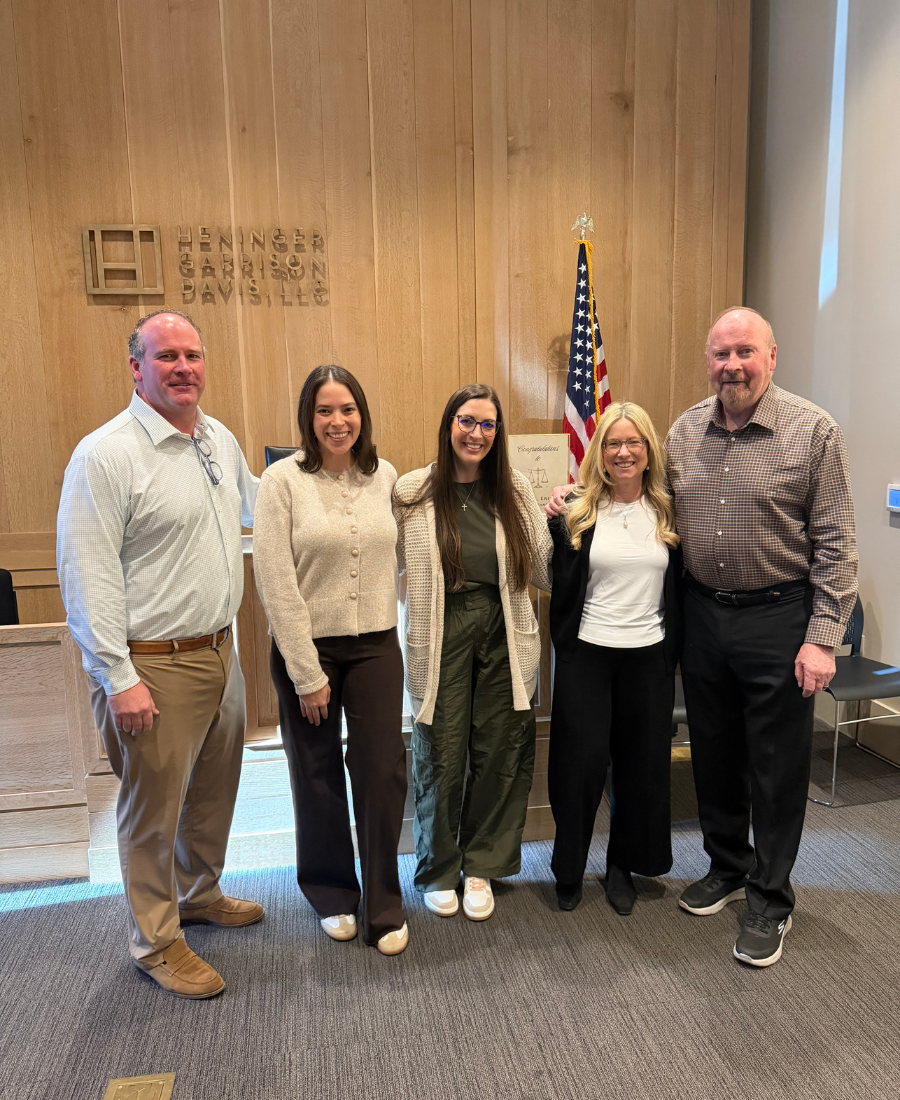
Behind them was the full support of Heninger Garrison Davis: 14 attorneys and a 30-person support team who prepared this case from the day it was filed through the day the jury spoke.
“This case exemplified courage and responsibility. Anita Martin demonstrated remarkable bravery by pursuing a lawsuit despite knowing that her cancer misdiagnosis would be fatal, with the hope of preventing similar occurrences for others. The verdict, rendered by twelve members of the Birmingham community, conveyed a clear message to the defendants and the broader medical community: “we expect more” than the care Anita received,” said Erik Heninger.
Anita Martin spent the last chapter of her life fighting a disease she was never correctly told she had. She also chose to bring this case so that what happened to her would be heard. Her family carried that through to the end, and a Jefferson County jury listened.
What should you do if you suspect a cancer misdiagnosis?
If you or someone you love received a cancer diagnosis that later turned out to be wrong, or if treatment was delayed because test results were misread, you may have questions about what happened and what your options are. Our attorneys are glad to listen, review the records, and give you an honest assessment. Call Heninger Garrison Davis at (205) 326-3336 or contact us online to talk with a member of our team.
About this result: This verdict was returned by a jury in the Circuit Court of Jefferson County, Alabama, on November 23, 2026, in a medical malpractice and wrongful death case. The amount reflects the jury’s award before attorneys’ fees and case expenses. Every case is different, and past results do not guarantee a similar outcome in any future case.
Responsible attorney: Steve Heninger, Heninger Garrison Davis, LLC, 2224 1st Avenue North, Birmingham, Alabama 35203, (205) 326-3336.
This article is for general information only and is not legal advice. Reading it does not create an attorney-client relationship.