

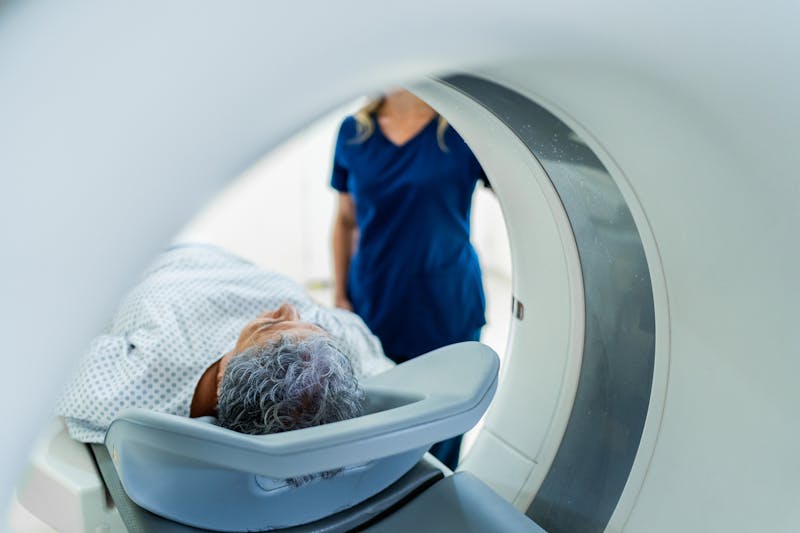
When patients walk into a hospital or diagnostic clinic, they expect one thing above all else: safety. A recent lawsuit out of New York—where a man was reportedly pulled into an MRI machine due to the powerful magnetic force—has put a spotlight on a critical issue many people don’t fully understand: the hidden dangers inside medical facilities and who is responsible when something goes wrong.
At HGD Law Firm, we believe every patient deserves not only excellent care but a safe environment from the moment they step through the door. Incidents like this raise important questions about negligence, accountability, and prevention.
What Happened—and Why It Matters
MRI machines are essential diagnostic tools, but they come with significant risks if proper protocols aren’t followed. These machines use extremely powerful magnets—so strong that even small metal objects can become dangerous projectiles.
In the New York case, the lawsuit alleges that a man was pulled into the MRI machine, resulting in serious injuries. While investigations will ultimately determine fault, situations like this are rarely “accidents” in the pure sense. More often, they point to breakdowns in safety procedures, staff training, or patient screening.
The Hidden Dangers in Hospitals
Hospitals and clinics are highly controlled environments, but they are not risk-free. Some of the most common—and preventable—hazards include:
- Improper use of medical equipment
- Failure to follow safety protocols
- Inadequate staff training or supervision
- Poor communication between healthcare providers
- Lack of patient screening for risks (like metal implants before an MRI)
MRI-related injuries, in particular, are almost always preventable. Strict guidelines exist for a reason. When they’re ignored or rushed, the consequences can be severe.
Who Is Liable for an MRI Injury?
Determining liability in a hospital-related injury requires a careful look at what went wrong and who was responsible for preventing it. In cases like this, several parties may be held accountable:
- The medical facility for failing to enforce proper safety protocols
- Technicians or staff who did not adequately screen or warn the patient
- Supervisors or administrators responsible for training and oversight
- Equipment operators who allowed unsafe conditions
If a healthcare provider or facility fails to meet the accepted standard of care—and that failure leads to injury—it may constitute medical negligence.
Is There Grounds for a Lawsuit?
Not every medical incident results in a lawsuit. However, there may be a valid claim for negligence if:
- A duty of care existed (which it does in medical settings)
- That duty was breached through action or inaction
- The breach directly caused injury
- The injury resulted in measurable damages (medical bills, lost income, pain, and suffering)
MRI accidents often meet these criteria when safety protocols are ignored. Each case, however, depends on the specific facts and evidence.
How These Incidents Can Be Prevented
The reality is that most hospital-related injuries—including MRI accidents—are preventable with the right systems in place. Prevention should include:
- Strict adherence to MRI safety screening procedures
- Clear communication with patients about risks
- Comprehensive staff training and ongoing education
- Controlled access to MRI rooms
- Proper supervision and accountability measures
Healthcare providers have a responsibility to protect patients at every step. When that responsibility is taken seriously, incidents like this become exceedingly rare.
What This Means for Patients and Families
If you or a loved one has been injured in a hospital setting, it’s important to understand your rights. These situations can be overwhelming, especially when trust in a medical provider has been broken.
At HGD Law Firm, we walk alongside our clients through every stage of the process—providing clarity, support, and a strategy focused on achieving the best possible outcome. With 16 attorneys and a 30-person support team, our approach is rooted in respect, integrity, and a commitment to doing what’s right for every client we serve.
Final Thoughts
Hospitals are places of healing—but that doesn’t mean they are immune to mistakes. When safety protocols are overlooked, the consequences can be life-changing.
If something doesn’t feel right about a medical incident, it’s worth asking questions. Accountability not only helps individuals recover—it also helps prevent the same harm from happening to someone else.
If you’d like to better understand whether a situation may involve negligence, having a conversation with an experienced legal team can be the first step toward answers.