

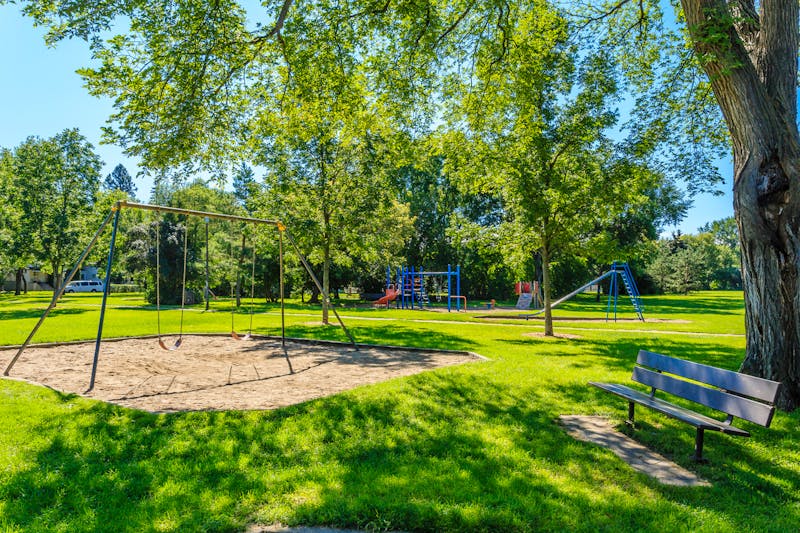
A trip to the park should never end in tragedy.
According to recent reports, 3-year-old Kaleb Ortega was at Rooks Park in Walla Walla, Washington, with his father and young sister on April 1, 2026, when a large stone memorial display fell and fatally injured him. The display reportedly honored Capt. Albert H. Rooks and the USS Houston and had been installed or renovated as part of a prior park project. Kaleb was rushed to a hospital where his mother, a nurse, was working at the time.
A lawsuit filed by Kaleb’s family alleges that the monument was too heavy, top-heavy, unstable, inadequately supported, and lacked proper warnings. The lawsuit names several companies allegedly involved in the monument’s design, construction, materials, installation, or display. As of the initial reports, the defendants had not yet filed responses in court.
While the facts will continue to be developed through the legal process, this heartbreaking incident raises an important question: when a dangerous condition exists in a public place, what could have been done to prevent it?
Public Parks Must Be Safe for Children and Families
Families visit parks expecting playgrounds, trails, signs, monuments, benches, and displays to be reasonably safe. Children are naturally curious. They touch, lean, climb, explore, and move quickly. That is not unusual behavior; it is foreseeable behavior.
Because of that, structures placed in public areas should be designed, installed, inspected, and maintained with safety in mind. Heavy objects, stone displays, signs, decorative features, and monuments should be properly secured. If a structure could tip, fall, or collapse, the risk should be addressed before someone is hurt.
A preventable injury can happen when safety is treated as an afterthought.
How Plaintiff Law Firms Investigate Preventable Injury Cases
In cases involving a falling structure, unsafe display, or dangerous condition on public property, a plaintiff law firm may investigate several key questions:
- Was the monument or structure properly designed?
- Was it installed according to safe engineering standards?
- Was it anchored or supported correctly?
- Were the materials appropriate for a public, child-accessible area?
- Were there inspections before and after installation?
- Did anyone know, or should they have known, that the structure could tip or fall?
- Were there warnings, barriers, or safeguards in place?
- Were contractors, suppliers, designers, installers, or property managers involved?
These questions matter because serious injuries rarely happen in isolation. A tragedy may involve multiple layers of responsibility, including design decisions, construction choices, maintenance failures, inspection issues, and failure to warn the public about a known or knowable danger.
Possible Legal Claims After a Public Park Injury
Depending on the facts and state law, a case like this may involve several types of legal claims:
- Premises liability may apply when a property owner, operator, or manager fails to keep an area reasonably safe.
- Product liability may apply when a manufactured or assembled product is defectively designed, defectively made, improperly installed, or sold without adequate warnings.
- Negligent construction or installation may apply when contractors or installers fail to secure a structure safely.
- Failure to warn may apply when a dangerous condition exists, and there are no signs, barriers, instructions, or other warnings to protect the public.
- Wrongful death may apply when negligence or a defective product causes the loss of a loved one.
- Bystander emotional distress may apply in certain states when close family members witness a traumatic injury or are directly impacted by the immediate aftermath.
Every case depends on the law of the state where the injury occurred, the evidence, and the parties involved. In public property cases, there may also be special deadlines or notice requirements, especially if a government agency is involved.
What Families Should Do After a Serious Park or Premises Injury
After a catastrophic injury, families are often overwhelmed. They are grieving, trying to understand what happened, and facing questions they never expected to ask. A plaintiff law firm can help preserve evidence and protect the family’s rights while they focus on healing.
Important steps may include:
- Preserving photos and videos of the scene.
- Identifying witnesses.
- Requesting incident reports and emergency response records.
- Determining who designed, built, installed, owned, inspected, or maintained the structure.
- Securing maintenance records, inspection records, contracts, permits, and communications.
- Hiring engineering, safety, or premises experts to evaluate what failed.
- Reviewing whether similar incidents, complaints, or warnings existed before the injury.
The sooner an investigation begins, the better the chance of preserving key evidence before a structure is moved, repaired, removed, or altered.
Preventable Injuries Deserve Accountability
Not every accident is preventable. But when a child is injured or killed because a heavy structure was unstable, improperly supported, inadequately inspected, or left without warnings, families deserve answers.
Accountability is not only about compensation. It is also about uncovering what went wrong, identifying who was responsible, and helping prevent the same thing from happening to another family.
Public spaces should be built with families in mind. Safety should never depend on luck.
Injured in a Public Place? A Plaintiff Law Firm Can Help
If you or someone you love was seriously injured at a park, playground, business, public facility, or other property, it is important to speak with a personal injury attorney as soon as possible. At HGD Law Firm, our expert team can investigate the scene, identify responsible parties, preserve evidence, and pursue the full compensation available under the law.
Preventable injuries leave lasting damage. Families deserve answers, accountability, and a team willing to stand beside them every step of the way.