

Trust is one of those words people use often, but it becomes far more meaningful when you take the time to study what actually builds it, what damages it, and how it shows up in everyday relationships.
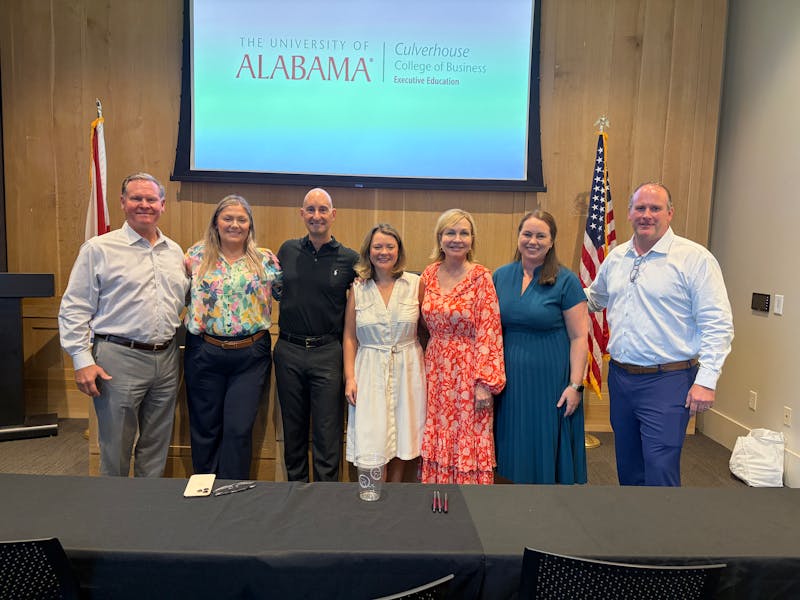
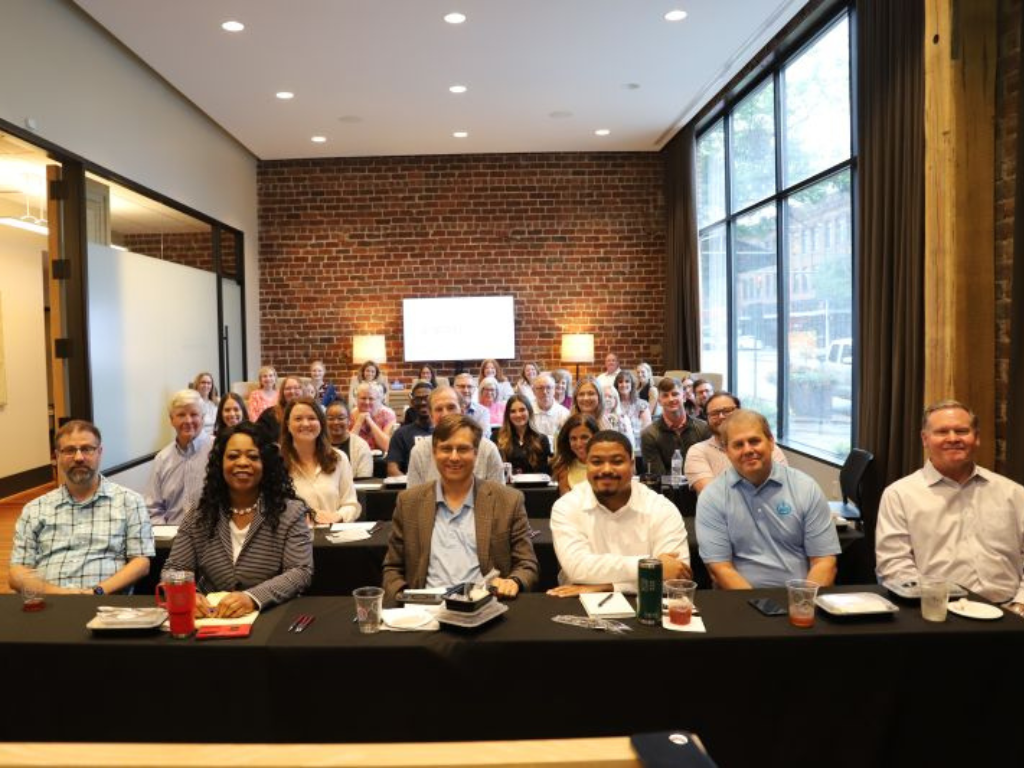
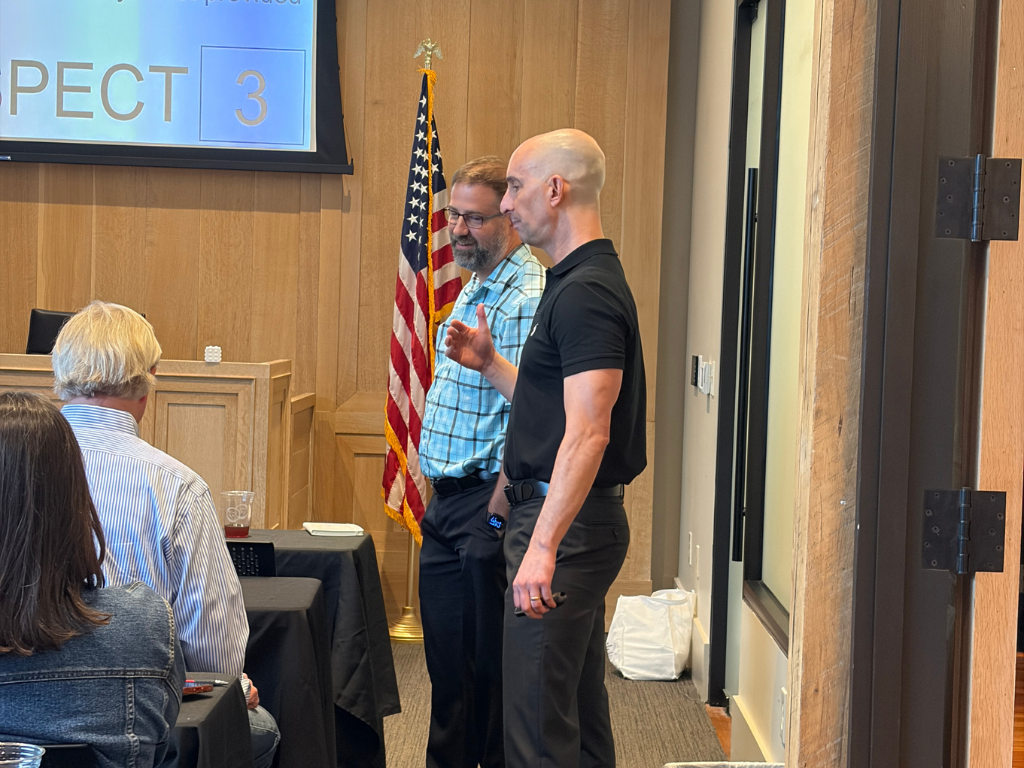
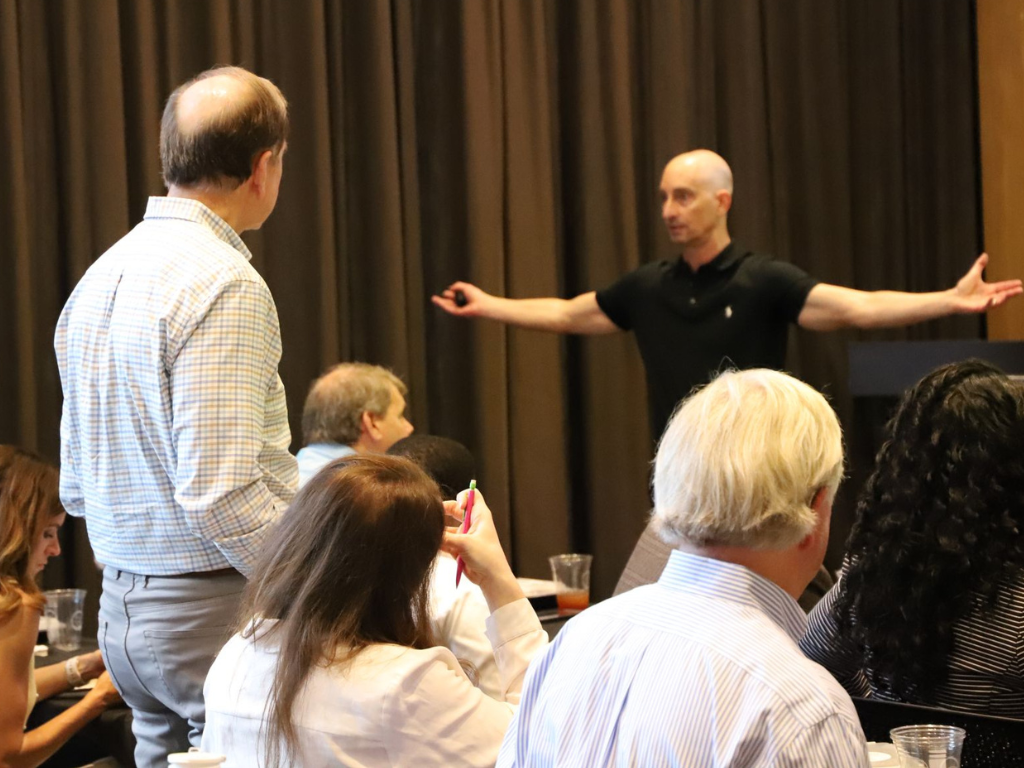
That was the focus of a recent Food for Thought session at HGD Law Firm, where we welcomed Joe Calamusa from The University of Alabama’s Culverhouse School of Business to lead a presentation on trust. His discussion gave our team a thoughtful framework for understanding how trust operates in professional settings, client relationships, leadership, teamwork, and service.
The presentation explored several dimensions of trust, including institutional, individual, relational, transactional, professional, personal, internal, and external trust. It also challenged our team to think about trust not as a vague concept, but as something shaped by consistent actions, clear expectations, recognition, accountability, and respect for different working styles.
One of the key takeaways from the session was that trust is built, or weakened, through four practical areas: time, money, respect, and style.
Time: Trust Grows When Responsibilities Are Met with Energy
The first trust point focused on time. Trust is strengthened when people complete the responsibilities of their role with energy and commitment. On the other hand, distrust can develop when expectations are unrealistic, unclear, or conflicting.
For a law firm, this matters deeply. Clients come to HGD during some of the most difficult and uncertain moments of their lives. They are often dealing with injuries, financial stress, medical treatment, and major disruptions to their normal routine. When our team handles each responsibility with urgency, care, and consistency, it helps clients feel supported and informed.
Internally, this same principle helps teams work better together. Clear expectations allow people to serve clients well, support one another, and move cases forward with purpose.
Money: Trust Requires Transparency and Fairness
The second trust point centered on money. The presentation highlighted that trust grows when compensation or financial opportunity is transparent and merit-based. Distrust can arise when financial benefit feels hidden, unclear, or unfairly withheld.
While this point often applies to workplace structure, the broader lesson is relevant to client service as well. Transparency matters. People want to understand what is happening, why decisions are being made, and how outcomes may affect them.
In personal injury law, clients deserve clear communication about the process, potential recovery, costs, timelines, and expectations. When information is explained plainly, it reduces confusion and helps clients feel more confident in the people guiding them.
Respect: Recognition and Autonomy Matter
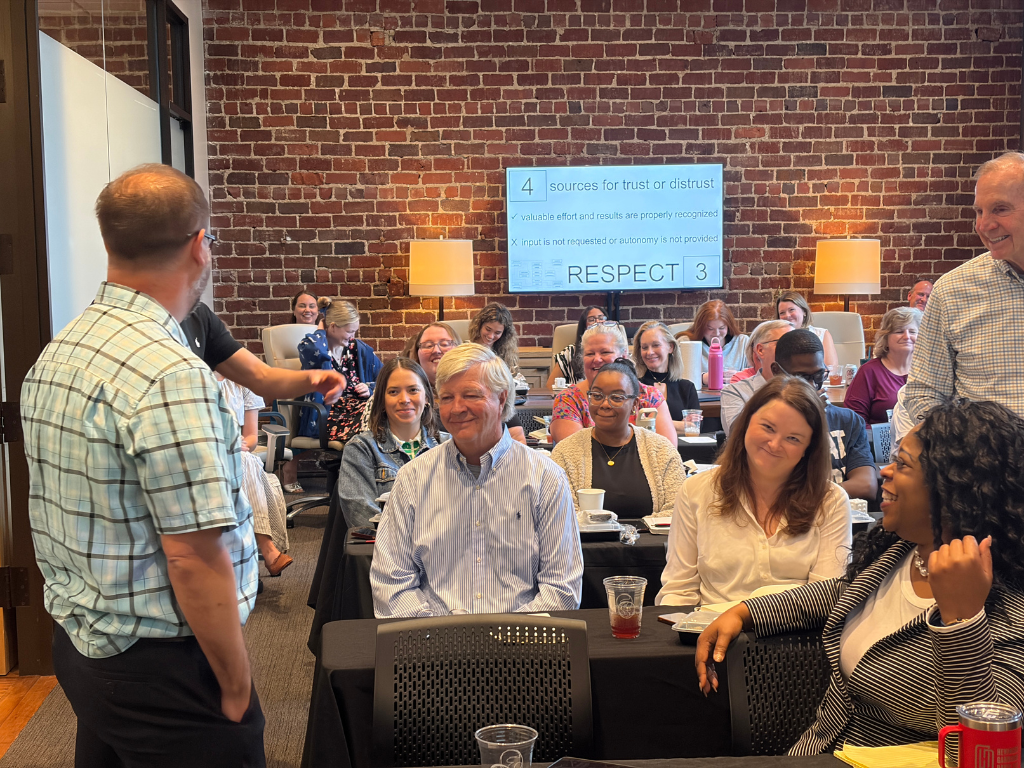
The third trust point was respect. Trust is built when valuable effort and results are properly recognized. Distrust can form when input is not requested or when autonomy is not provided.
This idea applies across every level of service. Clients want to know they are being heard. They want their concerns taken seriously. They want to feel like active participants in their own case, not bystanders waiting for updates.
At HGD, sessions like this reinforce the importance of listening well, communicating with care, and recognizing the human side of every case. Behind every claim is a person whose life has been interrupted. Respect shows up in how calls are returned, how questions are answered, how options are explained, and how each client is treated throughout the process.
Style: Trust Allows for Different Perspectives While Maintaining Accountability
The fourth trust point focused on style. Trust grows when different perspectives and processes are welcomed. Distrust can develop when personalities or preferences become excuses to avoid accountability.
This is especially important in a collaborative environment. Every person brings a different communication style, problem-solving approach, and professional perspective. When those differences are welcomed, the team becomes stronger. But a strong culture also requires accountability. Flexibility should never come at the expense of responsibility.
For clients, this matters because strong legal representation is rarely the result of one person working in isolation. It takes attorneys, case managers, intake professionals, medical records specialists, negotiators, litigation support, and administrative team members working together. Different strengths and perspectives help create a better client experience and a stronger path toward resolution.
Why Food for Thought Sessions Matter at HGD
Food for Thought sessions are important because they give our team time to step back from the pace of daily work and focus on the principles that shape excellent service. Personal injury law is fast-moving, detail-heavy, and deeply personal. The work requires legal skill, emotional intelligence, communication, preparation, and trust.
Bringing in speakers like Joe Calamusa allows our team to continue learning from experts outside the legal field while applying those lessons to the way we serve clients. Business principles, leadership insights, communication strategies, and relationship-building tools all help strengthen the client experience.
These sessions also reflect something important about HGD’s approach to growth. We do not want to improve only when a challenge forces us to. We want to be intentional about learning, developing, and sharpening the way we work together.
When our team better understands trust, we are better equipped to build it with clients, maintain it with one another, and protect it throughout every stage of a case.
Trust Is Built in the Small Moments
Trust is not created by one conversation, one meeting, or one result. It is built in the small moments: the returned phone call, the clear explanation, the prepared meeting, the honest answer, the follow-through, and the willingness to listen.
We are grateful to Joe Calamusa and The University of Alabama’s Culverhouse School of Business for spending time with our team and leading such a meaningful discussion. The lessons from this Food for Thought session will continue to shape how we think about trust, teamwork, communication, and service.
At HGD Law Firm, we know that clients place a great deal of trust in us. Sessions like this help ensure we continue working every day to be worthy of that trust.