What Happened at Golden Pond
An 86 year old woman was found dead on September 30 in her room at Golden Pond, an assisted living residence in Hopkinton, Massachusetts. The room had reached about 99 degrees, according to Boston.com and NBC Boston.
New reporting by Boston.com on October 20 shows the problems did not end with her death. According to town records described in that report, the town health director and building inspector found temperatures between 74 and 94 degrees in the building on October 1, and the heating system reached 104 degrees. With no facility plan in place to protect residents, town workers opened windows and doors and used fans while they waited for repairs.
On October 2, three residents were taken to the hospital. On October 3, the fire department took seven more. Officials said they could not tell whether the heat caused those medical calls. The town reported that temperatures stayed above the 78 degree limit that applies during heating season for weeks. A food inspection on October 13 also found rodent activity, insects and food that was not stored properly.
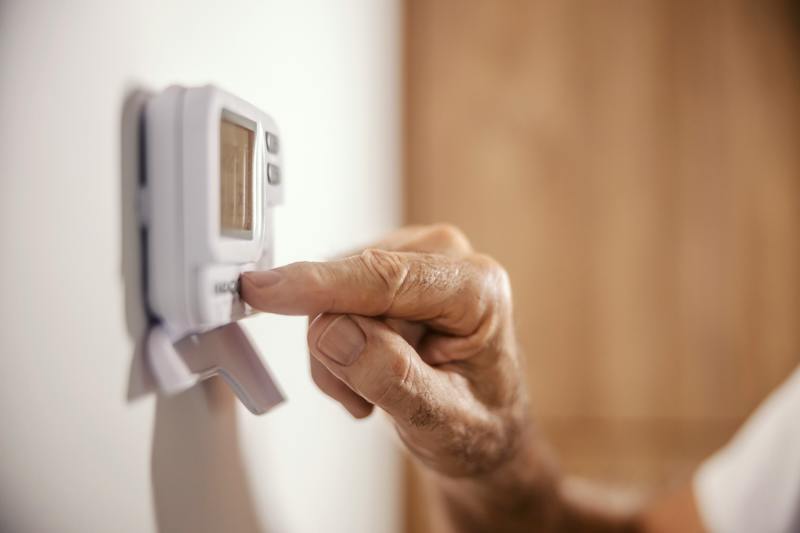
The cause of the woman's death has not been released. NBC Boston reported that her son told police she could become confused and may have turned her thermostat up too high. The facility's director of operations told NBC Boston that the heating and cooling system is professionally maintained and "was working properly at the time of this incident."
The Massachusetts Executive Office of Aging and Independence reviewed the facility and found violations of state assisted living rules, according to Boston.com. A state spokesperson said the agency "is requiring corrective action and will continue monitoring the facility to protect residents." Boston.com also reported that the state had suspended the facility's certification in January 2025 before lifting that suspension the next month.
Why This Matters for Alabama Families
Many Alabama families trust an assisted living facility or nursing home to care for a parent or grandparent. That trust is built on a simple promise: the people in charge will keep our loved ones safe, clean, fed and comfortable.
Older adults are more sensitive to heat and cold. Some cannot feel temperature changes the way they used to. Others have memory problems and may not be able to ask for help or fix a problem themselves. That is why watching room conditions, checking on residents and having a plan when equipment breaks are basic parts of good care. In Alabama, where long summers and sudden cold snaps are common, these risks are very real.
The Legal Issues in Plain Language
The Duty of Care
Nursing homes and assisted living facilities have a duty to provide reasonable care and supervision for their residents. That includes a safe living space, enough trained staff, regular checks on residents who need them and a plan for emergencies like a heating or cooling failure.
What Neglect Can Look Like
Neglect is often a failure to act. It can look like rooms that are too hot or too cold, residents left alone for long periods, unanswered call buttons, dehydration, falls, bedsores, missed medicine or unsafe food handling. One problem may be an accident. A pattern of problems may point to deeper issues such as short staffing or poor training.
How These Claims Work in Alabama
The Alabama Department of Public Health licenses and inspects nursing homes and assisted living facilities in our state. When neglect causes injury or death, a family may have a claim for negligence or wrongful death. Some claims against health care providers in Alabama fall under the Alabama Medical Liability Act, which has its own special rules. Many admission packets also include arbitration agreements that can affect how a claim is handled. Deadlines to file can be short, so it helps to get answers early.
Steps You Can Take to Protect a Loved One
- Visit often and at different times of day, including evenings and weekends.
- Check the room yourself. Notice if it feels too hot or too cold, and look at the thermostat.
- Ask the facility what its plan is if the heat or air conditioning fails, and who checks on residents during an outage.
- Watch for signs of heat illness or neglect, such as confusion that is new or worse, extreme tiredness, dry mouth, weight loss, bruises, bedsores or poor hygiene.
- Write down what you see with dates and times, and take photos when appropriate.
- Report problems to the administrator in writing and keep a copy.
- If you do not get answers, you can file a complaint with the Alabama Department of Public Health or contact a long term care ombudsman.
- In an emergency, call 911 first.
Frequently Asked Questions
What is the difference between a nursing home and an assisted living facility?
An assisted living facility usually helps residents with daily tasks like bathing, dressing and medicine reminders while they live in their own apartment or room. A nursing home provides a higher level of medical care with licensed nurses on staff around the clock. Both have a duty to keep residents safe.
What should I do if I think my parent is being neglected in an Alabama nursing home?
Make sure your parent is safe and gets medical care if needed. Write down what you see, take photos and report the problem to the administrator in writing. You can also file a complaint with the Alabama Department of Public Health, which licenses nursing homes and assisted living facilities in Alabama, and you can talk with a lawyer about your options.
Can a family sue an assisted living facility for neglect in Alabama?
In many cases, yes. If a facility failed to provide reasonable care and a resident was hurt or died because of it, the resident or the family may have a claim. Special rules may apply, and deadlines to file can be short.
Talk With Our Team
If you or someone you love was hurt in a similar situation, the team at Heninger Garrison Davis can help you understand your options. Call for a free consultation.
This article is for general information only and is not legal advice. Reading it does not create an attorney client relationship.