
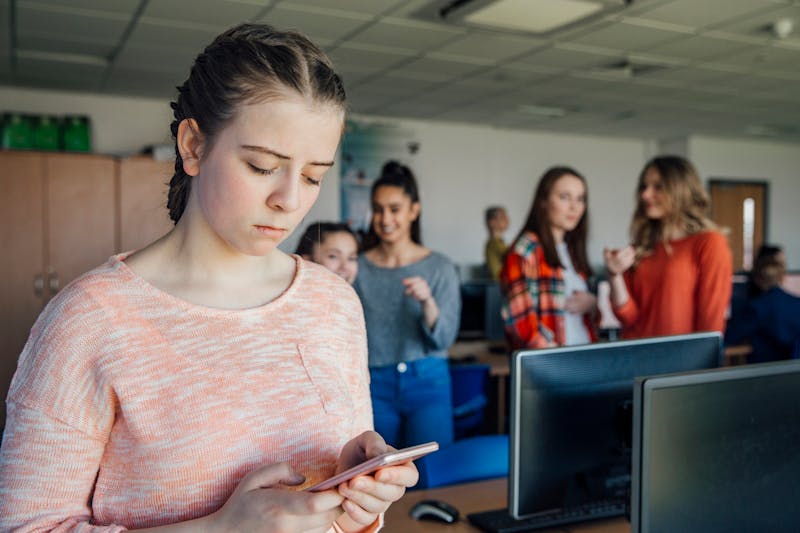
What starts as an anonymous social media post can quickly become something devastating.
For many young people today, online harassment no longer stays confined to school hallways or small social circles. Entire anonymous social media ecosystems now exist where rumors, accusations, edited screenshots, gossip, and personal attacks can spread to thousands of people within hours.
One of the latest examples drawing national attention involves Mary Kate Cornett and the growing controversy surrounding “Burnerverse” — a social media culture built around anonymous “burner” accounts that often target individuals with harassment, humiliation, rumors, and viral public shaming.
For victims, the consequences can be life-altering.
What Is “Burnerverse”?
“Burnerverse” refers to a growing online trend involving anonymous or pseudonymous social media accounts — often called “burner accounts” — used to spread:
- Rumors
- Gossip
- Edited screenshots
- False accusations
- Harassment
- Humiliating content
- Doxxing
- Coordinated online attacks
These accounts thrive on virality and anonymity.
Because the accounts are often difficult to trace immediately, users may feel emboldened to post increasingly harmful content without considering the real-world consequences for the people being targeted.
Victims frequently experience:
- Severe emotional distress
- Anxiety and depression
- Reputational damage
- Cyberbullying
- Academic or career harm
- Isolation
- Suicidal ideation
- Loss of personal relationships
What makes these situations especially dangerous is how quickly false or misleading information can spread online before the truth has any chance to catch up.
How Viral Harassment Can Ruin Lives
Online mob behavior has become increasingly normalized on social media platforms.
A single anonymous accusation or humiliating post can lead to:
- Thousands of comments
- Viral reposts
- Threats from strangers
- Public humiliation
- Permanent digital reputational harm
For young adults and teenagers, whose lives are heavily intertwined with social media, the emotional toll can be overwhelming.
Many victims describe feeling:
- Trapped
- Constantly watched
- Unsafe online
- Afraid to attend school or work
- Unable to escape the harassment
Even when posts are eventually deleted, screenshots and reposts often continue circulating indefinitely.
Why Anonymous Social Media Trends Are So Dangerous
Anonymity can remove accountability.
Burner account culture often encourages users to:
- Chase engagement through outrage
- Spread unverified claims
- Participate in harassment campaigns
- Treat real people like entertainment content
In many cases, individuals targeted online never consented to having their private lives turned into viral public discussion.
And once social media algorithms amplify a story, the damage can escalate rapidly.
The Mental Health Impact of Cyber Harassment
Studies continue showing strong links between online harassment and:
- Depression
- Panic attacks
- PTSD symptoms
- Self-harm
- Eating disorders
- Sleep disruption
- Suicidal thoughts
Young people are particularly vulnerable because social validation and peer perception are deeply connected to digital platforms.
For victims of coordinated online attacks, the psychological harm can last long after the posts disappear
What Legal Options Exist for Victims?
Many victims of anonymous social media harassment feel powerless — but there may be legal options depending on the circumstances.
Potential legal claims may involve:
- Defamation
- Harassment
- Cyberstalking
- Intentional infliction of emotional distress
- Invasion of privacy
- Doxxing-related claims
- False light claims
- Distribution of private or manipulated content
In some situations, attorneys may also pursue efforts to:
- Identify anonymous account holders
- Preserve digital evidence
- Send cease-and-desist demands
- Obtain court orders
- Pursue platform cooperation
- Seek removal of defamatory content
While Section 230 laws often protect social media platforms from liability for user-generated content, individuals who create or spread false and harmful information may still face legal exposure.
What Victims Should Do Immediately
If someone becomes the target of online harassment or burner account abuse, it is important to:
- Screenshot everything immediately
- Save usernames, timestamps, and URLs
- Avoid engaging publicly with attackers
- Report accounts to the platform
- Notify school administrators or employers if safety concerns arise
- Speak with an attorney about potential legal options
- Seek emotional support from trusted family, friends, or mental health professionals
Documentation is critical because content can disappear quickly once attention grows.
How Parents and Families Can Help
Parents should take online harassment seriously.
Warning signs may include:
- Withdrawal from social situations
- Anxiety around phones or social media
- Emotional distress
- Isolation
- Sudden academic decline
- Fear of attending school
- Changes in sleep or eating habits
Children and young adults need reassurance that online humiliation does not define their worth — and that help is available.
How HGD Law Firm Helps Victims of Online Harassment and Social Media Abuse
At HGD Law Firm, we understand that online abuse is not “just internet drama.”
Digital harassment can have devastating real-world consequences affecting mental health, reputations, education, careers, and personal safety.
Our team is actively looking into cases involving:
- Cyber harassment
- Defamation
- Online bullying
- Social media exploitation
- Burner account abuse
- Doxxing
- Digital privacy violations
- Emotional harm caused by viral online attacks
With 16 attorneys and a 30-person support team, HGD Law Firm is committed to helping individuals and families understand their legal rights and options when online behavior crosses the line into serious harm.
The Internet Should Not Be a Weapon
Social media has created incredible opportunities for connection and communication — but it has also created environments where cruelty can spread faster than ever before.
Behind every anonymous post is a real person. A real family. A real life that can be permanently affected.
The growing “Burnerverse” culture is a reminder that online actions have real-world consequences.
And accountability matters — both online and offline.