

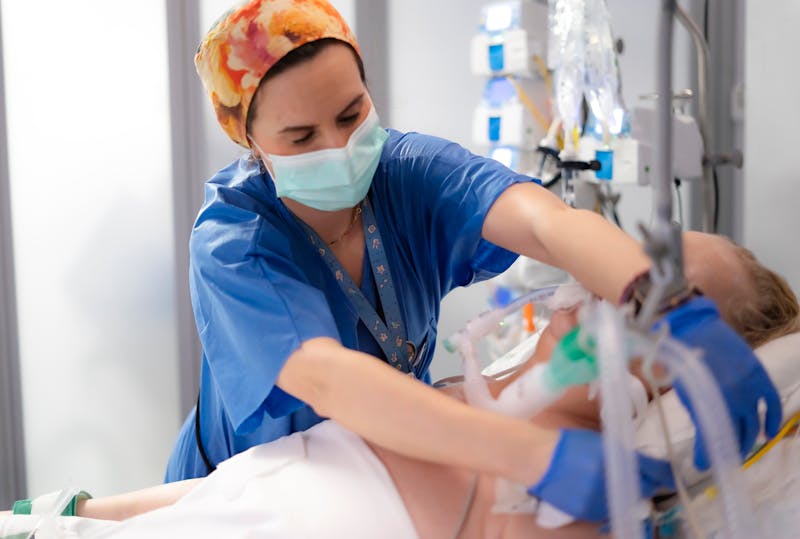
When families rush a loved one to the emergency room, they trust that the hospital will provide immediate, appropriate care during one of the most vulnerable moments of their lives. But across the country, growing concerns are emerging about overcrowded hospitals, delayed treatment, understaffing, and situations where critically ill patients may not receive the level of intensive care they truly need.
Recent online discussions and viral stories have brought attention to what some healthcare workers and families describe as “fake ICU” situations — cases where patients are technically admitted for higher-level care but remain in emergency departments, hallways, overflow units, or understaffed settings without access to the full resources of a functioning intensive care unit.
For patients facing strokes, sepsis, traumatic injuries, respiratory failure, heart attacks, or other life-threatening conditions, delays in critical care can have devastating consequences.
What Is a “Fake ICU” Situation?
While the phrase itself is informal, it reflects a very real concern happening in hospitals nationwide.
In many emergency situations, patients who require ICU-level monitoring and treatment may experience delays because:
- Hospitals are overcrowded
- ICU beds are unavailable
- Staffing shortages limit care capacity
- Emergency departments become overwhelmed
- Patients remain boarded in ERs for extended periods
- Critical monitoring resources are stretched too thin
Healthcare professionals have increasingly warned about “boarding” — when critically ill patients remain in emergency rooms waiting for ICU placement for hours or even days.
Research has shown that prolonged emergency department boarding for ICU patients can increase risks of:
- Delayed treatment
- Medical errors
- Worse patient outcomes
- Increased mortality
- Missed warning signs during deterioration
For families, the experience can feel confusing and frightening. A patient may technically be considered an ICU patient, yet not actually receive the staffing ratios, specialized monitoring, or immediate interventions available inside a dedicated intensive care unit.
Why Emergency Delays Can Become Deadly
In emergency medicine, minutes matter.
Conditions such as:
- Sepsis
- Stroke
- Internal bleeding
- Traumatic brain injuries
- Cardiac arrest
- Pulmonary embolisms
- Respiratory distress
often require immediate intervention and continuous monitoring.
When hospitals become overwhelmed or systems fail, delays in escalation of care can lead to:
- Permanent disability
- Organ failure
- Brain damage
- Preventable complications
- Wrongful death
Families are often left wondering: Could earlier intervention have changed the outcome?
In some cases, the answer may be yes.
The Growing Strain on Hospitals Nationwide
Hospitals across the United States continue facing serious operational challenges, including:
- Nursing shortages
- Physician burnout
- Increased patient volumes
- Limited ICU capacity
- Administrative pressures
- Financial constraints
While healthcare workers continue doing extraordinary work under difficult circumstances, systemic failures can still create dangerous gaps in patient care.
Unfortunately, patients and families are often the ones who suffer the consequences.
Warning Signs Families Should Never Ignore
During emergency situations, families should trust their instincts and speak up if something feels wrong.
Potential warning signs may include:
- Long delays despite worsening symptoms
- Difficulty reaching medical staff
- Sudden deterioration without reassessment
- Confusion about the treatment plan
- Lack of monitoring equipment
- Delayed transfers to higher-level care
- Repeated concerns being dismissed
Advocating for a loved one during a medical emergency can feel intimidating, but clear communication and persistence matter.
Families should feel empowered to:
- Ask questions about the level of care being provided
- Request updates from physicians
- Clarify whether ICU care has actually been initiated
- Ask if specialists have been consulted
- Seek second opinions when appropriate
How Patients Can Help Protect Themselves in Emergency Situations
While patients cannot control hospital staffing or capacity issues, there are steps families can take to help improve communication and reduce risks during emergencies.
Bring a Medical Advocate
Whenever possible, have a trusted family member or friend present to communicate with providers and monitor changes in condition.
Keep Medical Information Accessible
Important medications, allergies, medical history, and emergency contacts should be readily available.
Document Concerns
Families should keep notes regarding symptoms, changes in condition, timelines, and conversations with providers.
Ask Direct Questions
Questions such as:
- “Has the patient officially been admitted to ICU?”
- “What level of monitoring is being provided?”
- “Is there a delay in transfer?” can help clarify the situation.
Escalate Concerns if Necessary
Many hospitals have patient advocates, charge nurses, or rapid response systems designed to address urgent concerns when a patient appears to be declining.
When Delayed or Inadequate Care May Raise Legal Concerns
Not every poor outcome is medical malpractice. However, there are situations where delayed treatment, inadequate monitoring, communication failures, or preventable medical errors may warrant further investigation.
Potential issues may involve:
- Failure to timely diagnose
- Delayed escalation of care
- Failure to monitor critical changes
- Medication errors
- Improper discharge decisions
- Inadequate staffing
- Communication breakdowns between providers
Medical negligence cases are often complex and require a detailed review of records, timelines, staffing decisions, and clinical standards of care.
How HGD Law Firm Can Help Families
At HGD Law Firm, we understand the devastation families experience after preventable medical harm or the loss of a loved one during an emergency situation.
Our team is committed to helping families investigate cases involving:
- Emergency room negligence
- Delayed medical treatment
- ICU care failures
- Hospital negligence
- Wrongful death
- Failure to monitor critically ill patients
With 16 attorneys and a 30-person support team, HGD Law Firm approaches every case with compassion, respect, and a commitment to uncovering the truth.
Families deserve answers when medical systems fail during life-threatening emergencies.
Every Minute Matters
When someone seeks emergency medical care, they are placing enormous trust in the healthcare system.
Most healthcare providers work tirelessly to save lives under difficult conditions. But when systemic failures, delays, or negligence prevent patients from receiving appropriate care, the consequences can be irreversible.
Awareness matters.
Advocacy matters.
Ensuring patients receive timely, appropriate emergency care can make the difference between recovery and tragedy.